Bats in Salt Lake City, UT
Learn about bats in Utah. Identification, facts, prevention tips, and more.

We handle Bats in Utah
Covered by our Wildlife Control plan — treatment, follow-up, and our pest-free guarantee.
Quick Bat Facts & Tips for Salt Lake City:
What Are Bats?
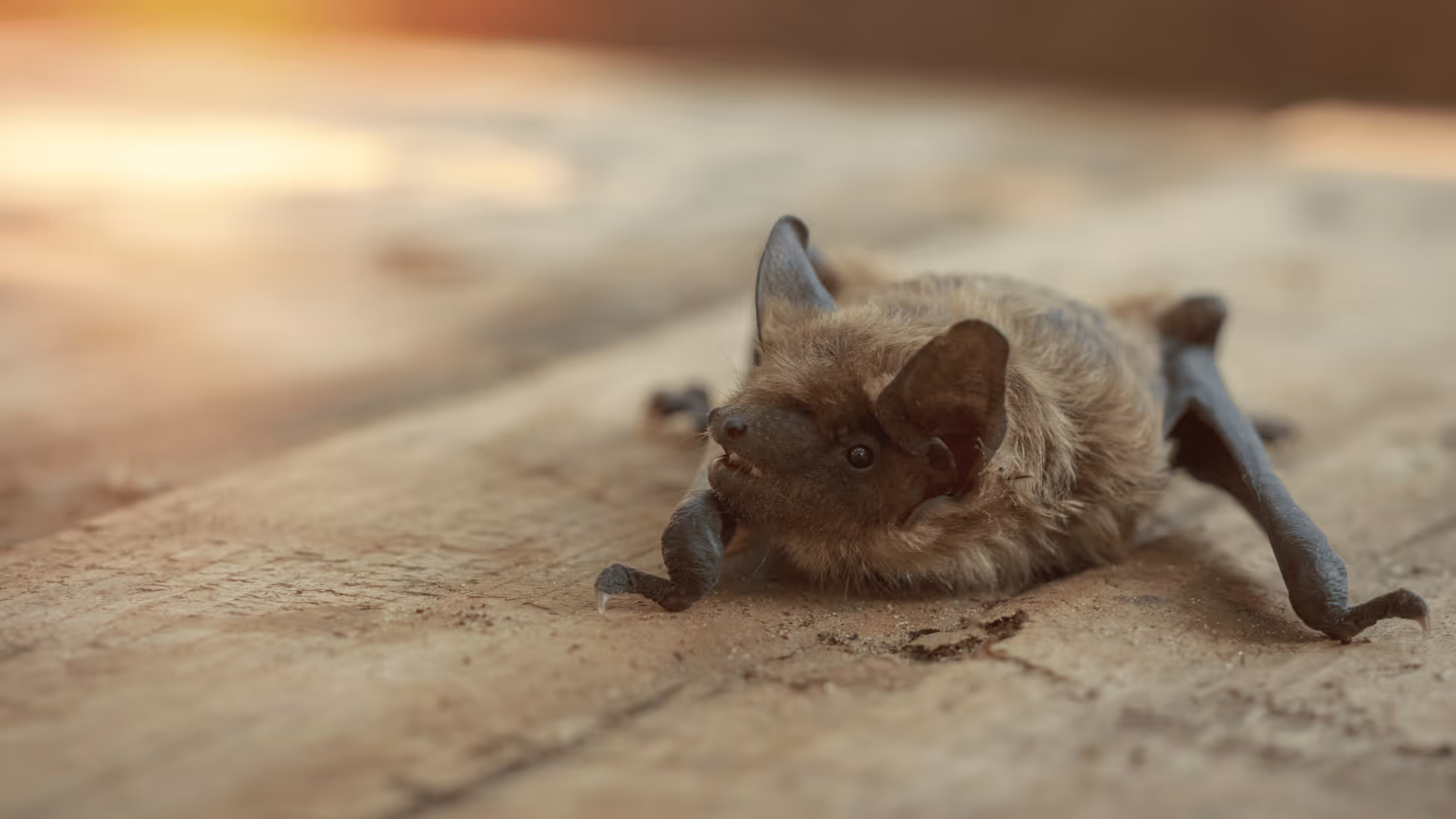
The only mammals capable of true flight. Most Salt Lake City species feed on night-flying insects like mosquitoes, making them natural pest controllers.
They're a sign of a healthy ecosystem but become a problem when they roost inside homes or commercial buildings.
Bats are protected by local laws, so removal must be handled carefully.
Signs of Infestation
Squeaking or scratching noises at dusk/dawn, strong odor from guano buildup, dark oil stains near entry points on the exterior.
Health Risks
Rabies: transmitted through bites or scratches.
Histoplasmosis: respiratory disease from inhaling fungal spores in bat guano.
They can also carry bat mites, fleas, and ticks. Call (801) 810-7378 for safe, humane removal with a free estimate.
Where They Hide
Attics, wall cavities, abandoned buildings, and any secluded crevice. Outside they roost in caves, old mines, tree bark, rocky outcrops, and cliffs.
Species in Utah
- Big Brown Bat
- Little Brown Myotis
- Townsend's Big-Eared Bat
- Silver-Haired Bat
- Western Small-Footed Myotis
Removal Season
Bats are protected year-round. Late May through August is bat maternity season. Removal and exclusion are not allowed during this period because young bats can't fly yet.
The safe window for exclusion work is late August through early spring. If bats enter a living space during the restricted season, limited action can be taken for health and safety reasons.
Get the Facts About Salt Lake City’s Bat Population
Bats are fascinating mammals, the only ones capable of true flight, and they like to make their home right here in Salt Lake City. They have a diverse diet, but most species in our area favor night-flying insects, including mosquitoes, making them natural pest controllers. Their presence is a sign of a healthy ecosystem, though they can become a nuisance if they choose to roost in residential or commercial structures.
While bats play a beneficial role in the environment, it's essential to ensure that bats do not take up residence within human habitats. If bats become uninvited guests, it's crucial to handle the situation carefully and in accordance with local laws protecting these vital creatures.
Identifying Bats and Their Hiding Spots
Bats may seem elusive, but they're closer than you might think, often just a crevice or attic away from our daily lives. Understanding their habits can be the first step to appreciating their presence.
Bats typically find secluded areas such as attics or abandoned buildings to settle. This can be worrisome due to their association with diseases like rabies and the mess created from their guano (droppings). Homeowners and business owners should be aware of signs indicating bat infestations, such as squeaking and scratching noises at dusk or dawn, the unmistakable odor of bat guano, and stains from bat oils near entry points.
What Kinds of Bats Live in the Salt Lake City Area?
Salt Lake City and the great state of Utah are home to various bat species, each with their own defining behaviors and physical characteristics.
Bat species that call our community home include:
- The big brown bat (Eptesicus fuscus): These robust bats are common throughout North America and help control insect populations by consuming pests like beetles.
- Little brown myotis (Myotis lucifugus): A water-loving species, they're often found near streams and lakes where insects are abundant. Their fast, erratic flight is a spectacle on summer evenings.
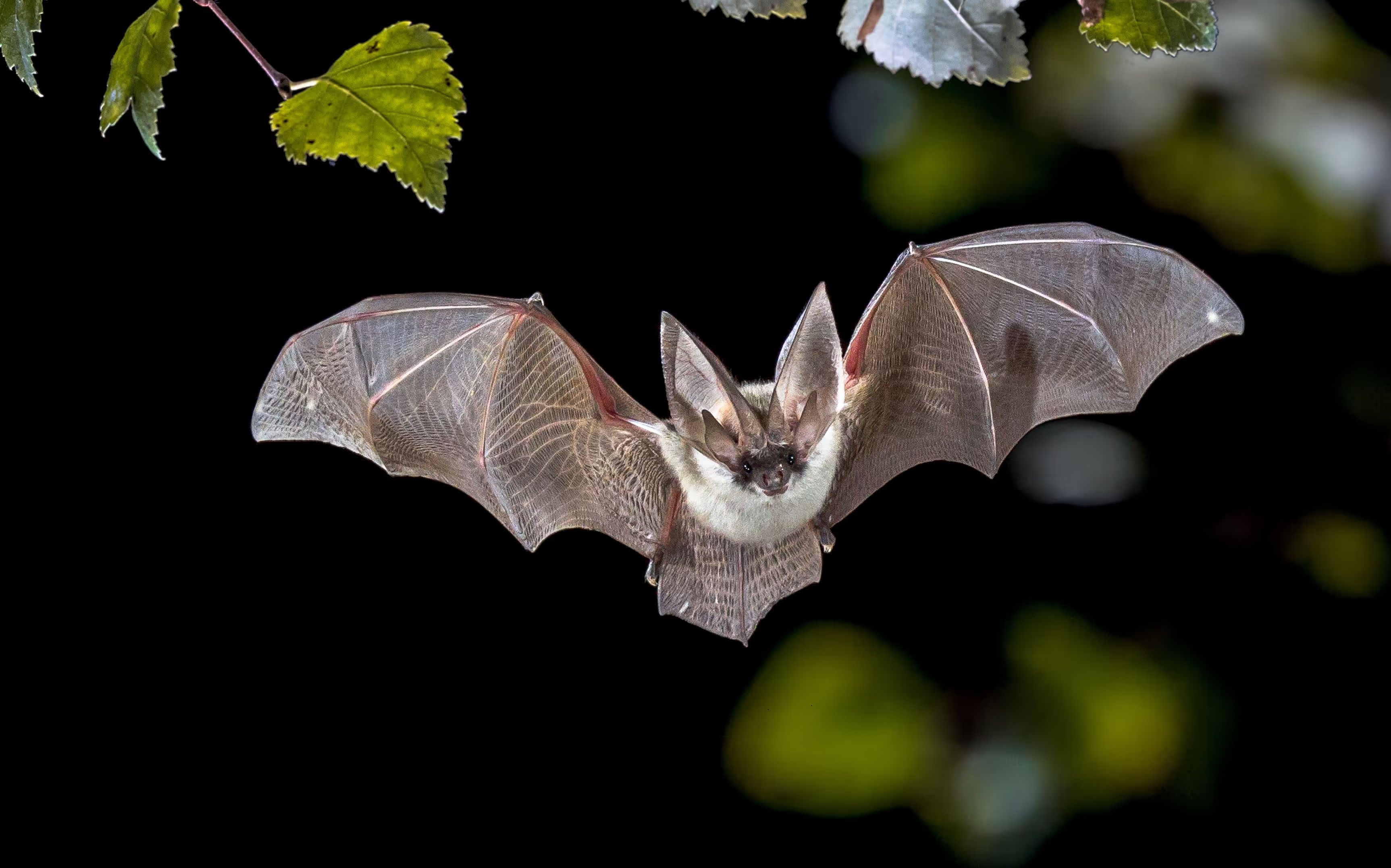
- Townsend's big-eared bat (Corynorhinus townsendii): This bat species easily stands out with their distinctive large ears and slow, fluttery flight pattern. They prefer roosting in caves and old mines.
- The silver-haired bat (Lasionycteris noctivagans): Named for their unique fur, these bats spend their days hidden away in tree bark and crevices, emerging at night to feed.
- The western small-footed myotis (Myotis ciliolabrum): The smallest bat in Utah, this species frequents rocky outcrops and cliffs and can be identified by its small feet and black-masked face.
Knowing what type of bat you’re dealing with can help you figure out if you need to get a pest control professional like Pest Pro Pest Control involved.
If you're looking for more information about bats, call our Salt Lake City team at (801) 810-7378!
What Kinds of Diseases Do Bats Carry?
While playing a crucial role in our ecosystem, bats are known carriers of various diseases and parasites, which can affect human and animal health. Understanding these health risks helps you appreciate the importance of professional wildlife management in residential areas.
Bats are associated with the spread of diseases and parasites like:
- Rabies: This viral disease is perhaps the most well-known and can affect all mammals, including humans. Bats can transmit rabies through bites or scratches.
- Histoplasmosis: Caused by a fungus that grows in soil enriched with bat guano, this respiratory disease is contracted by inhaling fungal spores.
- Bat mites: These ectoparasites, similar to bed bugs, can infest bat roosts and occasionally bite humans.
- Fleas and ticks: Bats can also harbor these common parasites that can transmit various pathogens.
It's important to remember these risks should not incite fear but should encourage responsible bat management and appreciation for bats' integral role in nature.
If you encounter or suspect a bat infestation, call us at (801) 810-7378 or reach out to us online for safe and considerate removal services – free estimates are available!
Request Your Free Estimate
Service often can be scheduled within 24 hours.