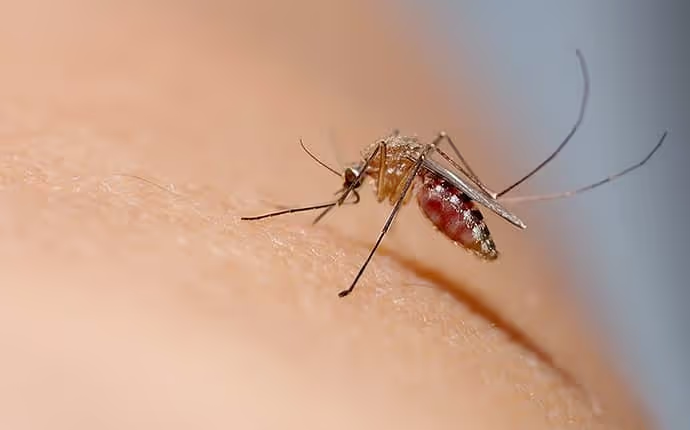
Mosquito Guide for Utah
Mosquitoes are tiny flying insects that are known for their pesky bites and the distinctive, high-pitched buzzing of their wings.
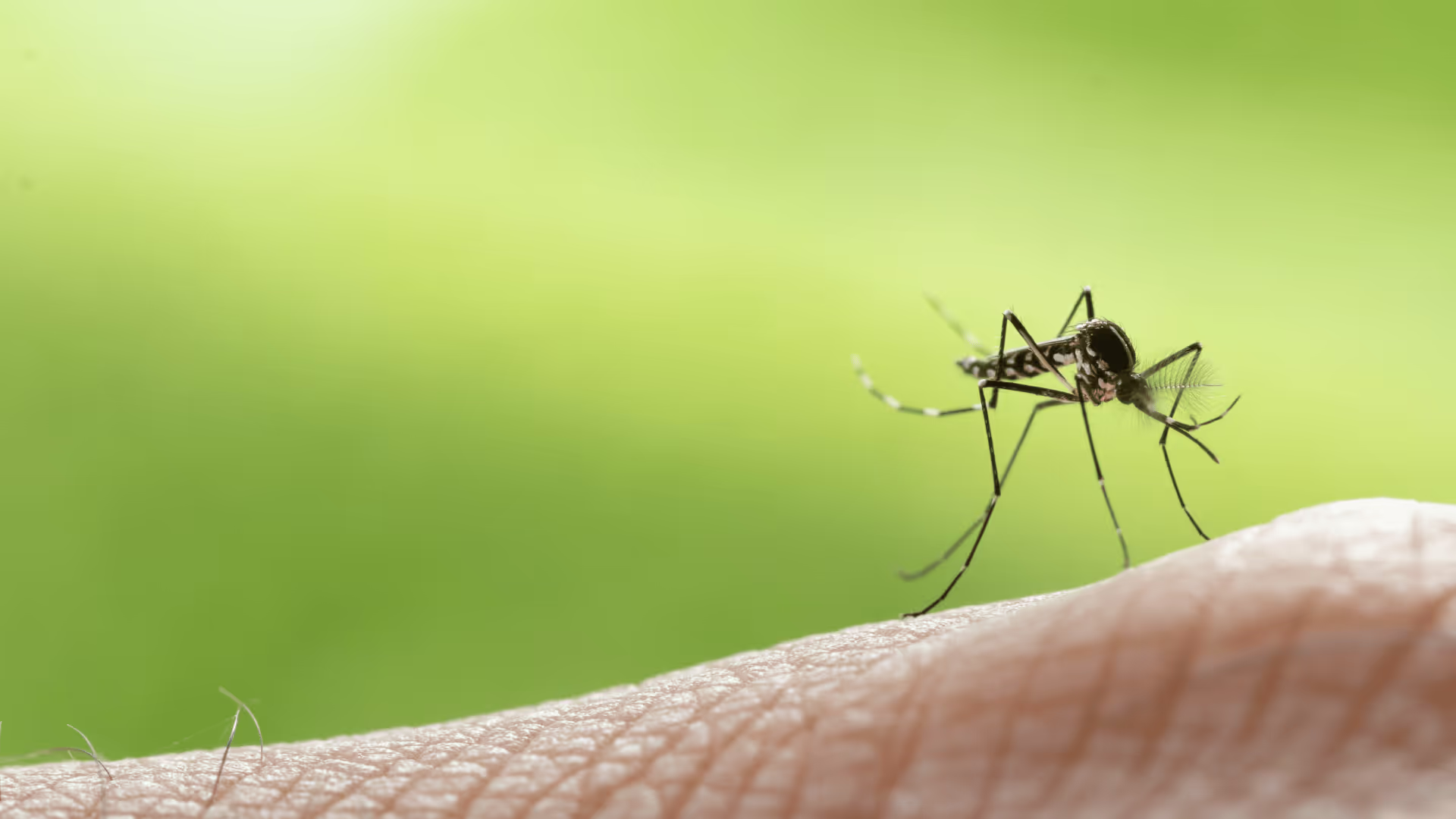

We handle mosquitoes in Utah
Covered by our Mosquito Control plan — treatment, follow-up, and our pest-free guarantee.
Mosquito Facts for Salt Lake City:
What Are Mosquitoes?
Tiny flying insects in the family Culicidae with slender bodies, long legs, and a needle-like proboscis for piercing skin.
Only females bite; they need blood meals to develop eggs. Males feed on nectar.
Most active at dusk and dawn when air is cooler and more humid, though some urban species bite throughout the day.
Where They Hide
Shaded areas under trees and shrubs, tall grass and weeds, dense bushes, and the underside of leaves. They avoid direct sunlight because it dehydrates them.
Diseases They Carry
West Nile virus: most common concern in Salt Lake City, can cause serious neurological illness.
Zika virus: linked to birth defects in pregnant women.
Chikungunya: causes joint pain and fever.
Dengue fever: rare locally but causes severe flu-like symptoms.
Our Treatment Approach
Monthly service May through October. Targets both larvae and adults at breeding sites. Includes mosquito trap stations, yard misting of all harborage areas, and IGRs (insect growth regulators) that prevent larvae from maturing. All products are EPA-registered and safe for pets and people.
Where They Breed
Any standing water: bird baths, clogged gutters, rain barrels, plant saucers, pet water dishes, untreated pools, and garden ponds.
Even a small amount of stagnant water is enough.
Prevention Tips
Eliminate standing water: empty bird baths, plant saucers, and pet dishes regularly.
Clean gutters, maintain pools, and trim tall grass and dense shrubs.
Use screens on windows and doors and apply insect repellent during peak activity at dusk and dawn.
Call (801) 810-7378 to sign up for service today.
Discover More About Common and Dangerous Pests in Salt Lake City
Mosquitoes are tiny flying insects that are known for their pesky bites and the distinctive, high-pitched buzzing of their wings. These small creatures belong to the family Culicidae and can be recognized by their slender bodies, long legs, and a proboscis specially adapted for piercing and sucking blood. However, only female mosquitoes require blood meals, which they need for the development of their eggs, while males typically feed on nectar or plant juices.
Common behaviors of mosquitoes include seeking out blood meals by detecting carbon dioxide and body heat and laying their eggs in standing water. Mosquitoes are vectors for various diseases, which they can transmit through their bites, making them more than just a nuisance.
As for their activity patterns, they are generally most active during dusk and dawn when the air is cooler and more humid. Some species, though, particularly those in urban areas, may bite throughout the day.
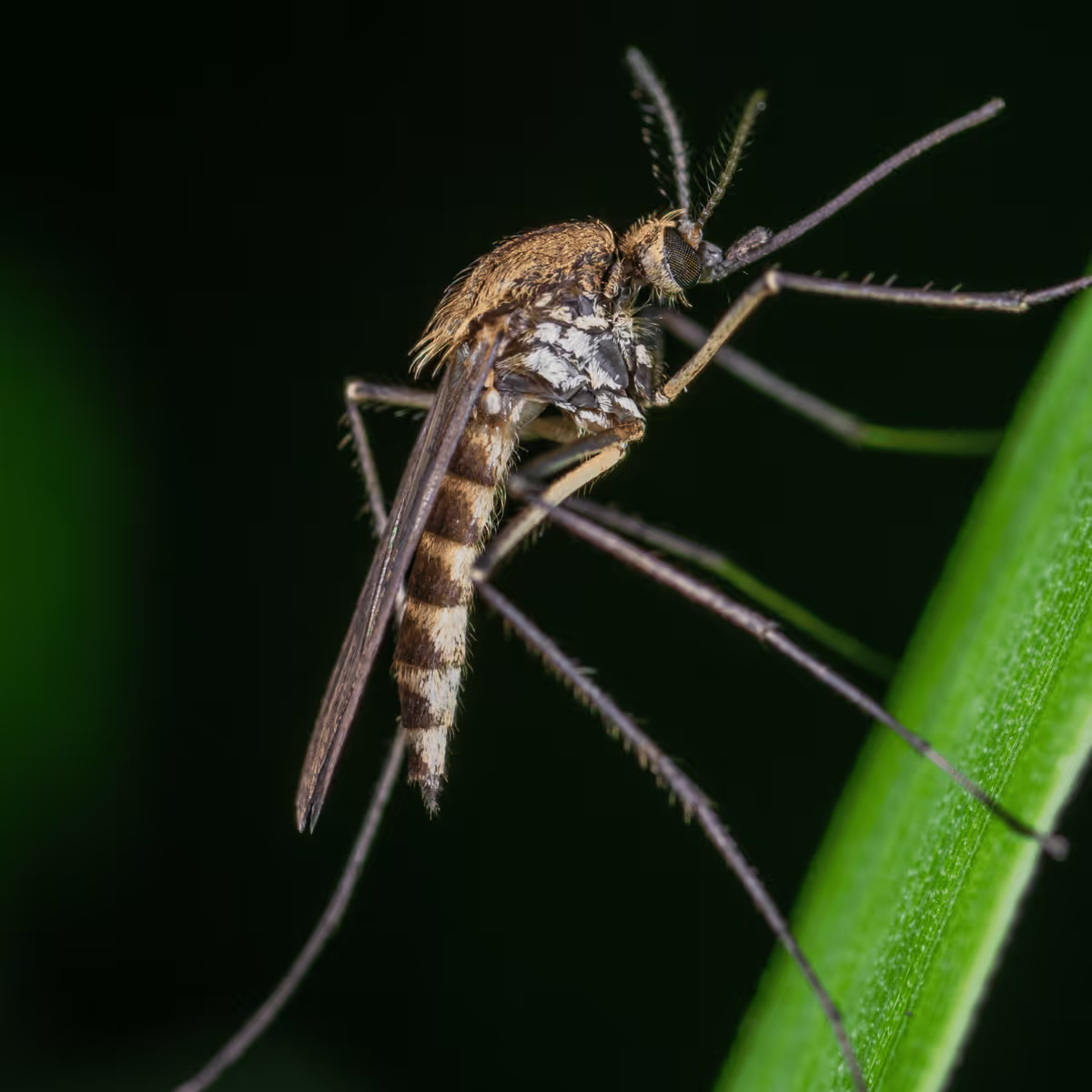
Identifying Mosquitoes: What Do They Look Like?
Mosquitoes are often recognized by their distinctive slender, elongated bodies that appear almost fragile, measuring no more than a few millimeters in size. They possess a pair of wings and three pairs of long, hair-like legs that enable them to land softly on humans and animals without being immediately noticed. At the forefront of their anatomy is a long, needle-like proboscis, which is what a mosquito uses to penetrate the skin and draw out blood.
Their coloration varies, though most are a combination of gray and white, with some dark or iridescent blue scales creating patterns on their bodies. These scales are not only for show; they can also serve as sensory receptors. Despite their small size, mosquitoes can be identified by the high-pitched whine they produce when flying, which is usually the first indicator of their presence before any biting ensues. When not in flight, these pests are generally found near standing water, where they lay their eggs, proliferating rapidly in ideal conditions.
Understanding Mosquito Habitats: Where Are They Drawn To?
Mosquitoes thrive in environments that provide the right mixture of water, warmth, and shelter. If you want to minimize their presence on your property, pay attention to these characteristics that can turn your space into a mosquito haven.
Mosquitoes Prefer Living in Areas with:
- Stagnant Water Sources: Mosquitoes require water to breed, and even a small amount of standing water can serve as a breeding ground. This can include anything from bird baths, clogged gutters, and rain barrels to plant saucers and pet water dishes.
- Shaded Areas: These insects prefer to avoid direct sunlight as it can dehydrate them. As such, shaded regions provided by trees, shrubs, or manufactured structures can be a comfortable resting spot for mosquitoes during the day.
- Tall Grass and Weeds: Overgrown vegetation gives mosquitoes a cool, moist environment to shelter in when they're not active.
- Untrimmed Shrubs and Dense Bushes: Like tall grass, dense shrubbery can protect mosquitoes from predators and high temperatures.
- Garden Ponds and Untreated Pools: Bodies of water that are not regularly treated with chemicals or adequately maintained can rapidly become mosquito breeding sites.
These areas can typically provide the conditions mosquitoes seek, but the good news is that by managing these aspects, you can significantly reduce the likelihood of these pests turning your property into their home.
If you have concerns about mosquitoes invading your property, call Pest Pro Pest Control in Salt Lake City at (801) 810-7378 to request a free estimate for mosquito control services!
What Kinds of Diseases Can Mosquitos Spread?
A mosquito infestation can expose your family to a variety of diseases, some of which can be particularly prevalent in the Salt Lake City area. Understanding the health risks carried by these insects is crucial for preventative measures. Here's a snapshot of some of the illnesses that mosquitos can transmit:
A mosquito infestation can expose your family to:
- West Nile virus: A common concern in this region, most people infected with this virus do not feel sick. Still, it can lead to serious neurological illnesses in a small percentage of people.
- Zika virus: While less common, Zika can cause fever, rash, headache, and joint pain, and in pregnant women, it is linked to congenital disabilities.
- Chikungunya virus: This disease typically causes joint pain and fever, and while it's not native to the area, cases have appeared in travelers returning from affected regions.
- Dengue fever: Rare in Salt Lake City, dengue can cause severe flu-like symptoms and sometimes develops into a potentially lethal complication called severe dengue.
It's important to stay informed about the potential health threats posed by mosquitos and take steps to protect your household, such as utilizing screens on windows and doors, applying insect repellent, and eliminating standing water on your property. If mosquitos are a problem in your area, contacting a professional pest control service can offer additional protection for your family and community.
Do you have questions about mosquitoes? Call Pest Pro Pest Control at (801) 810-7378 or reach out to us online to get clear, professional answers!
Schedule Mosquito Services Today
Service often can be scheduled within 24 hours.