Wildlife Getting Into Your Utah Home? Here's What You Need to Know
Utah is a great place to live, and apparently, a lot of wildlife agrees. Salt Lake City and the surrounding communities sit close to canyons, foothills, and open land, which means homeowners deal with more than just ants and spiders. Squirrels, raccoons, birds, and bats regularly find their way into attics, chimneys, walls, and vents, sometimes without you even knowing until the damage is done.
If you've heard strange noises in your home, spotted chew marks near your roofline, or noticed something nesting where it shouldn't, this guide will help you figure out what you're dealing with, what you can do on your own, and when it's time to call in a professional.
Common Utah Wildlife That Get Into Homes
Squirrels
Squirrels are one of the most frequent wildlife visitors in Utah homes, especially in areas near trees and open green space. They're persistent chewers and can gnaw through fascia boards, roof vents, and soffit gaps to get inside.
Signs of squirrels in your home:
- Scratching or scurrying sounds during the day, often in ceilings or walls
- Chew marks around rooflines, vents, or eaves
- Shredded insulation or nut shells in the attic
- Small, elongated droppings with rounded ends
Squirrels typically nest in attics and can cause real damage to insulation and wiring over time. They're active year-round in Utah, so there's no "off season" when it comes to this one.
Raccoons
Raccoons are smart, strong, and surprisingly good at getting into places they're not supposed to be. In Salt Lake City and surrounding areas, raccoons are commonly found in attics, under decks, and inside chimneys, especially during spring when females are looking for a safe place to raise their young.
Signs of raccoons in your home:
- Heavy thumping or chattering sounds, mostly at night
- Torn shingles, damaged attic vents, or bent roofline material
- Large paw prints on the roof or near entry points
- Strong musky odor coming from the attic or walls
- Tubular droppings with blunt ends, often found in piles
Raccoons in chimneys are a particularly common problem. A female raccoon will often choose an uncapped chimney as a nesting site because the warmth and enclosure mimic a hollow tree. Once she has young inside, removal becomes more involved and requires a careful, humane approach.
Birds
Birds become a problem when they start nesting inside your home rather than around it. Dryer vents, bathroom exhaust vents, kitchen exhaust vents, open chimneys, and gaps in soffits are all common nesting spots for birds in Utah.
Signs of birds nesting in your home:
- Chirping or fluttering sounds coming from vents or walls
- Nesting materials like twigs, grass, or feathers near entry points
- Droppings around vent openings or on exterior walls
- Reduced airflow from your dryer (a blocked vent is a fire hazard)
It's worth knowing that many bird species in Utah are federally protected under the Migratory Bird Treaty Act, which means removal has to be done carefully and legally. Non-protected species like pigeons, European starlings, and house sparrows can be evicted at any time, but native songbirds require a different approach.
A bird nest blocking a dryer vent is one of the more serious situations because lint buildup combined with nesting material creates a real fire risk. If you suspect a bird is nesting in your dryer vent, stop using the dryer until it's been cleared.
Bats
Bats are actually beneficial for the environment since they eat large numbers of insects each night, but that doesn't mean you want them living in your home. They tend to squeeze into very small openings, any gap 3/8" or larger, near ridge vents, eaves, or chimney gaps.
Signs of bats in your home:
- High-pitched squeaking sounds, usually at dusk or dawn
- Small, dark droppings (guano) that crumble into powder when crushed
- Greasy staining or urine marks around entry points on walls or eaves
- Seeing bats flying out of your roofline around sunset
Bats are a protected species in Utah, and there are strict rules around when they can be evicted. From roughly May 1 through August 31, bat exclusion is prohibited because that's the maternity season, when pups are too young to fly. Attempting to seal bats out during this window can trap young bats inside and is illegal. If you have a bat problem, fall or early spring is the right time to address it.
DIY Tips to Keep Wildlife Out
While professional wildlife exclusion is the most reliable long-term solution, there are several things you can do around your home to make it less attractive to wildlife.
Inspect your roofline and exterior regularly.
Walk around your home and look for gaps, loose vents, damaged fascia, or any opening larger than a quarter. Wildlife doesn't need much space to get inside, so small gaps matter.
Cap your chimney.
An open chimney is an open invitation for raccoons and birds. A properly installed chimney cap with a mesh screen keeps wildlife out while still allowing ventilation and smoke to escape. This is one of the simplest and most effective things you can do.
Secure your trash.
Raccoons are drawn to neighborhoods with easy food sources. Use trash cans with locking lids and avoid leaving bags out overnight before pickup day. Bird feeders and pet food left outside can also attract raccoons and squirrels.
Trim trees and overhanging branches.
Squirrels and raccoons often access roofs by jumping from nearby trees. Keeping branches trimmed back at least 6 to 8 feet from your roofline removes an easy bridge to your home.
Cover vents with pest-proof screens.
Standard plastic vent covers can be chewed through by squirrels and even raccoons. Look for metal mesh vent guards that are specifically designed to keep wildlife out while still allowing airflow.
Don't leave wood piles or debris against your home.
These create harborage areas that attract wildlife looking for shelter. Keep wood stacked away from the structure and off the ground if possible.
Check your soffit and attic vents.
These are among the most common entry points for squirrels and birds. If you notice any that are bent, loose, or damaged, get them repaired before something moves in.
Frequently Asked Wildlife Questions
How do I know if an animal is actually living inside my home vs. just on my roof?
The clearest indicator is hearing sounds coming from inside your walls, ceiling, or attic rather than just on the rooftop. Scratching inside walls or the ceiling overhead, especially at consistent times of day (daytime for squirrels, nighttime for raccoons and bats), usually means you have an animal living inside the structure.
Is it safe to try to remove wildlife on my own?
For minor issues like discouraging animals from your yard, DIY prevention goes a long way. But once an animal is inside your home, it's best to call a professional. Handling wildlife carries health risks including rabies exposure, and improper removal can make the problem worse, especially if young animals are present. Additionally, many species have legal protections that make DIY eviction more complicated than it might seem.
Can wildlife in my attic cause serious damage?
Yes. Squirrels and raccoons will tear up insulation, chew through wiring (which is a fire hazard), and contaminate your attic with droppings and urine. Bats leave guano that can harbor histoplasmosis, a fungal respiratory illness. The longer an infestation goes unaddressed, the more damage accumulates.
What time of year are wildlife problems most common in Utah?
Wildlife activity in homes tends to peak in late winter through spring, when animals are looking for warm places to give birth and raise young. That said, squirrels are active year-round, and bats may be present throughout warmer months. There's no season where you're completely in the clear, which is why regular inspections matter.
Do you use traps or poisons?
At Pest Pro, we use humane, non-lethal eviction methods whenever possible. The goal is to get the animal out and seal the entry point so it can't come back, not to harm the animal. Trapping is used in specific situations where it's the safest and most appropriate method, and everything we do complies with Utah Division of Wildlife Resources regulations.
Can I seal up the entry point myself once the animal is gone?
You can, but proper exclusion takes the right materials. Thin hardware cloth, spray foam, and plastic vent covers are not adequate, animals will chew right through them. Professional exclusion uses heavy-gauge galvanized hardware cloth, fill fabric designed to resist gnawing, and polyurethane sealant built for exterior use. It also requires confirming the animal is actually out before sealing, which is easier said than done.
Will wildlife come back after it's been removed?
Not if the exclusion work is done correctly. Evicting the animal without sealing the entry point is only a temporary fix. A complete wildlife service includes sealing all secondary entry points and permanently closing off the main access once the animal has vacated.
How Pest Pro Can Help
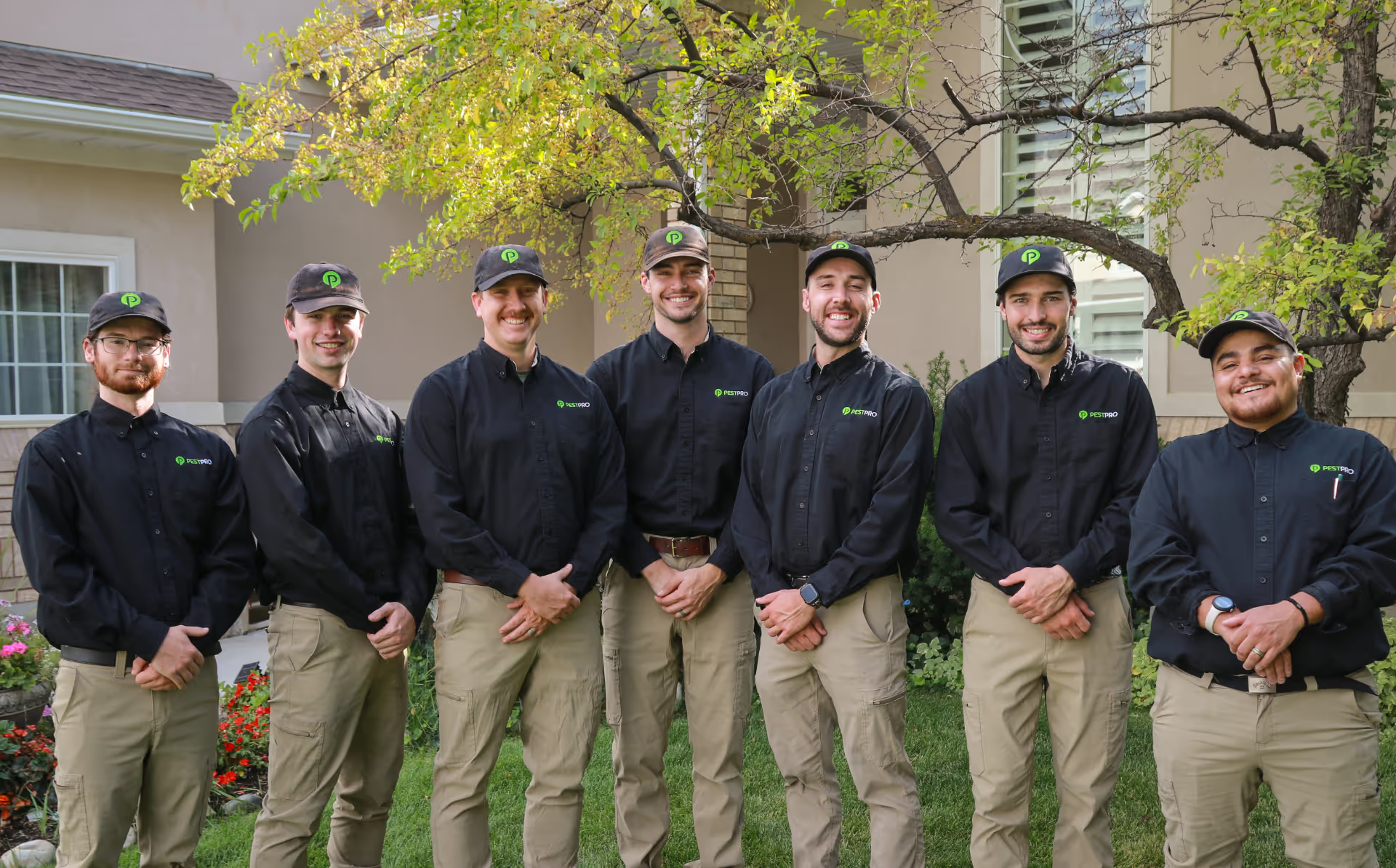
Pest Pro Pest Control has been helping Utah homeowners with wildlife issues since 2010. We're a local, family-owned business that takes a humane approach to wildlife eviction, using methods that encourage animals to leave on their own while protecting your home from future entry.
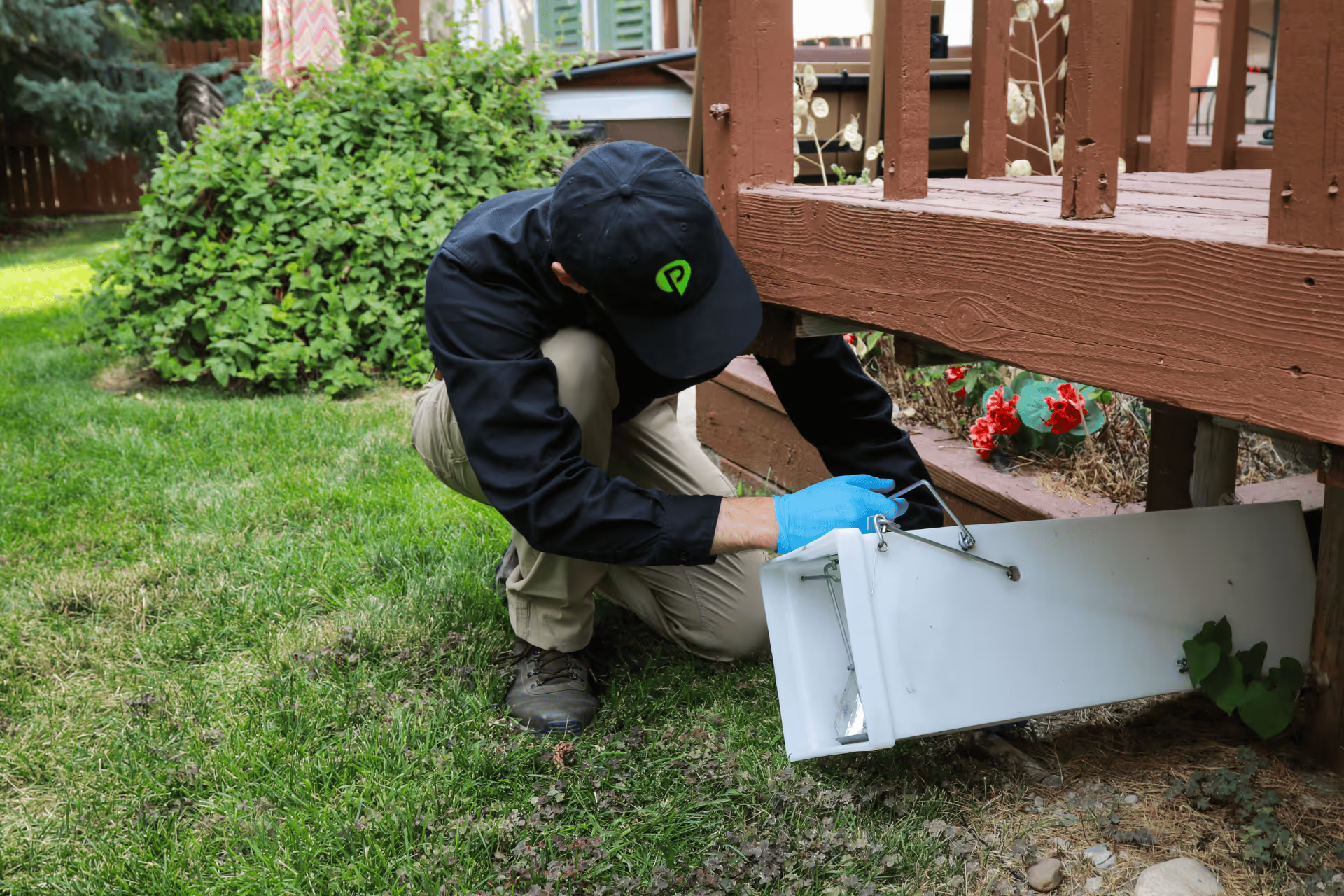
Every wildlife service includes a thorough inspection of your home's exterior, sealing of secondary entry points, installation of a species-appropriate eviction device, and a follow-up visit to confirm the animal has vacated before permanently closing the opening. We document everything and stand behind our work.
If you're hearing things that go bump in the night, or the morning, or really any time at all, give us a call. We'll figure out what you're dealing with and take care of it the right way.
Call Pest Pro Pest Control today: (801) 810-7378
We serve Salt Lake City and surrounding communities throughout the Wasatch Front. Schedule your inspection online or give us a call and we'll get you taken care of.
Request Your Free Estimate
Service often can be scheduled within 24 hours.