Elm Seed Bugs in Utah: What's Real, What's a Myth, and What to Do About Them
If you've noticed small brownish bugs piling up on your windowsills, squeezing through door frames, or showing up in alarming numbers around your home this summer, you're not imagining things. Elm seed bugs are surging across the Wasatch Front right now, and Salt Lake City homeowners are getting their first real taste of an invader that's been spreading through Utah for years. They look a little like a stink bug, smell a little like a stink bug when you squash them, and can show up by the dozens or hundreds in a single afternoon. But a lot of what people assume about them isn't quite right. Here's what's actually going on, and what you can realistically do about it.
What Is the Elm Seed Bug, Really?
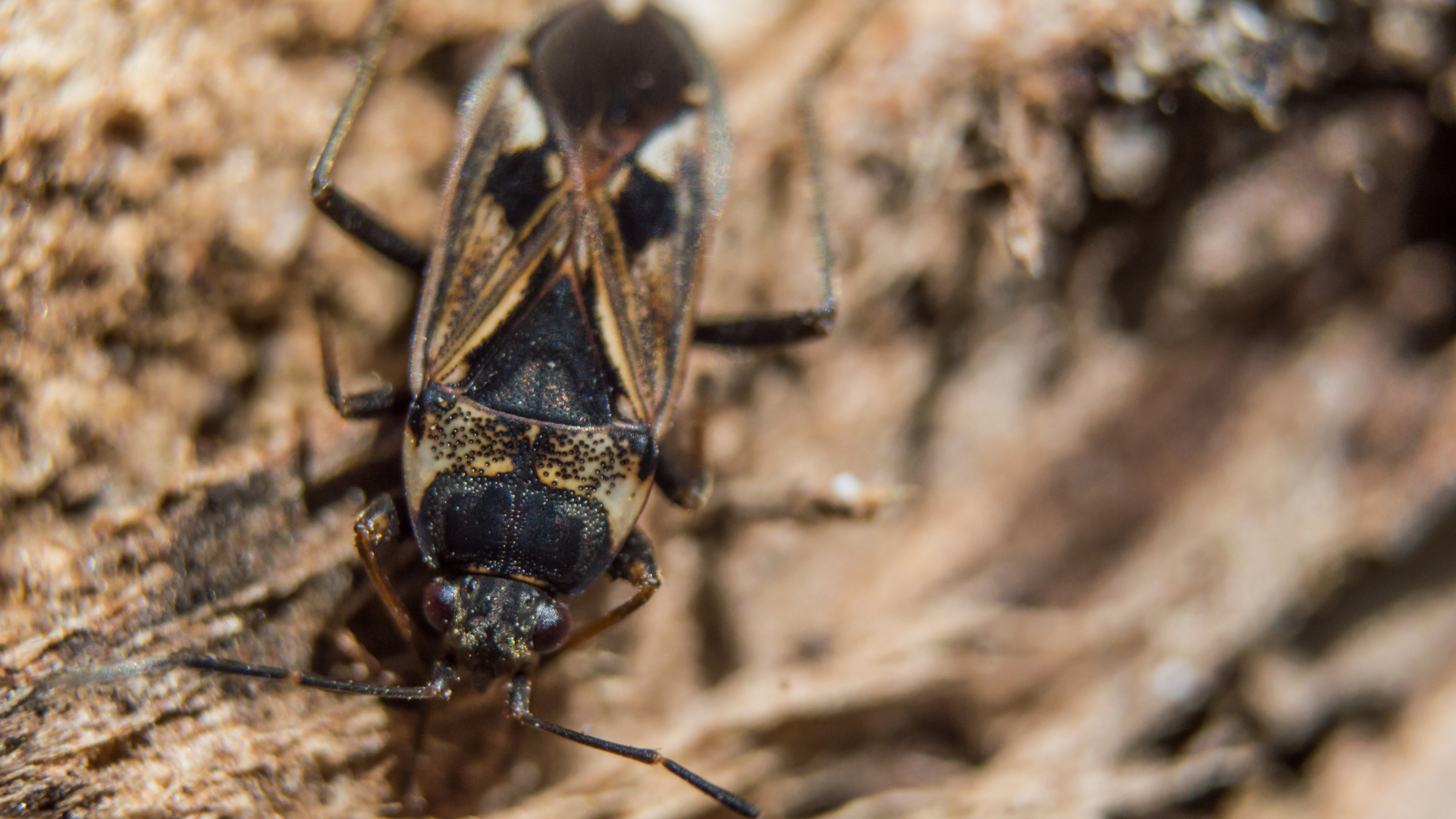
The elm seed bug (Arocatus melanocephalus) is a small insect, about a third of an inch long, with a reddish-brown body and a distinctive black-and-rust pattern on its abdomen. It's native to Europe and was first detected in the United States in Idaho around 2012. Since then it's pushed steadily south and west, and Utah has been in its crosshairs for several years. The Wasatch Front, with its abundance of elm trees, is prime territory.
The name tells you most of what you need to know about its diet: elm seeds. Adults and nymphs feed almost exclusively on the seeds of elm trees, which is why populations explode in late spring and early summer when elms drop their seed crop. Once that food source dries up, the bugs start looking for somewhere to shelter through the heat, and that often means your house.
They're true bugs, in the taxonomic sense, which puts them in the same order as stink bugs and box elder bugs. That family resemblance matters because they share the same annoying habit: mass aggregation. A few scout bugs find a warm wall or a gap in a window frame, and then dozens, sometimes hundreds, follow. You can learn more about their biology and habits on the elm seed bug pest library page.
One detail worth knowing: they do produce a faint, unpleasant odor when disturbed or crushed, similar to a stink bug but generally milder. That's reason enough to avoid the instinct to sweep them up aggressively or swat them on upholstered surfaces.
The Myths That Keep Homeowners From Getting Ahead of the Problem
Because elm seed bugs are relatively new to most Utah homeowners, a lot of bad information is circulating. A few of the most common misconceptions are worth addressing directly.
Myth: They're dangerous or will damage your home. They're not. Elm seed bugs don't bite, don't sting, and don't infest structural wood the way termites do. They're a nuisance pest, full stop. The sheer numbers can be genuinely distressing, but there's no health risk and no structural damage to worry about.
Myth: If you have elm trees, you just have to live with them. Not true. The trees are the food source, but entry into your home is a separate problem you can address through exclusion and targeted treatment. You don't need to remove a tree to get control.
Myth: Spraying the bugs you see inside will solve it. This is probably the most common mistake. Elm seed bugs entering your home are following a gap or crack. Killing the ones already inside doesn't stop the next wave. Interior treatment without exterior exclusion is just playing catch-up, and the numbers will likely stay high through summer.
Myth: They go away on their own quickly. They do slow down once elm seeds are gone, but they can persist through late summer and return in fall as temperatures drop and they seek overwintering sites. Homeowners who ignore the summer wave often see them again in September and October.
Understanding what you're actually dealing with is the starting point. From there, the approach becomes a lot more practical.
Why Utah Is Seeing a Surge Right Now
The recent spike in elm seed bug reports across Salt Lake City and surrounding areas isn't random. A few factors are lining up this season that explain the uptick homeowners are noticing.
First, the bug's range has expanded enough that established populations now exist throughout the Wasatch Front. Early sightings years ago were isolated, but the insect has had time to spread and multiply. Second, elm tree populations in Utah's urban and suburban areas are substantial. Salt Lake City has a large canopy with significant elm coverage, giving the bugs an enormous food supply to build populations on each year.
Third, the timing of elm seed drop in 2025 and the heat that followed it pushed bugs into aggregation behavior earlier and more intensely than some homeowners had previously experienced. When temperatures climb quickly after seed season, elm seed bugs move fast to find shelter. Homes with mature elms nearby, especially those with older windows, gaps around utility penetrations, or aging weatherstripping, tend to get hit hardest.
Geographic location plays a role too. Neighborhoods in Millcreek, Holladay, and Sandy that have older elm-lined streets are reporting heavier activity than newer developments with younger tree canopies. If you're in one of those areas and haven't seen them yet, the season isn't over.
The good news is that awareness of the bug has grown enough that professional pest control companies in the area, including Pest Pro Utah, are familiar with it and know what actually works. This isn't a guessing game anymore.
What You Can Actually Do About Them
Control for elm seed bugs falls into two categories: exclusion and treatment. Both matter, and doing only one will give you partial results at best.
On the exclusion side, the goal is to close off the paths they're using to get in. Walk the exterior of your home and look for gaps around window frames, door sweeps that don't seal fully at the bottom, cracks around utility lines and pipes, and any spot where two building materials meet and haven't been caulked recently. These are the entry points. Weatherstripping, door sweeps, and exterior caulk are your tools here, and they're worth the effort regardless of what pest you're dealing with.
Removing debris, leaf litter, and bark mulch from the immediate perimeter of your foundation also helps. Elm seed bugs, like most aggregating insects, look for sheltered spots to rest, and loose organic material right against the house gives them exactly that.
On the treatment side, a perimeter spray applied to the exterior foundation, window frames, and door frames by a licensed technician creates a barrier that knocks back bugs before they get inside. Timing matters here. Treating early in the aggregation season, before large numbers are already inside, is far more effective than trying to address an established interior population. This is an area where the comparison between DIY pest control vs. professional services is pretty clear. Over-the-counter sprays are generally contact killers with short residual activity. A professional product applied to the right zones with the right concentration performs differently.
Inside the home, the simplest approach for bugs already present is a vacuum. Don't crush them on surfaces. Use a bag vacuum or empty the canister outside promptly, as the odor can linger. For ongoing home pest control protection, a recurring plan that includes exterior treatment through summer and into fall covers elm seed bugs along with the other seasonal pests Utah homeowners deal with.
When to Call a Professional
If you're finding a handful of elm seed bugs every few days, exclusion work and a little patience may get you through the season. But there are situations where calling a professional makes clear sense.
If bugs are getting inside in significant numbers despite your sealing efforts, there are likely entry points you haven't found or that are difficult to reach. A technician can assess the exterior of the home systematically and identify the spots that aren't obvious from a casual inspection.
If you've had a problem for multiple seasons, the population near your home is established enough that exclusion alone probably won't be sufficient. A perimeter treatment program is the practical answer. The same logic applies if you're dealing with elm seed bugs alongside other pest pressure. This time of year, spider activity tends to increase alongside other insects, since spiders follow prey. Addressing the overall insect pressure around your home tends to reduce multiple problems at once.
Pest Pro Utah services the Salt Lake City area and surrounding communities throughout the Wasatch Front. If you're not sure whether your address falls within the service area, that page covers it in detail.
The bottom line is that elm seed bugs are a solvable problem. They're not dangerous, they're not invincible, and they're not something you have to just tolerate because you have elm trees nearby. A combination of good exclusion work and timely exterior treatment makes a real difference.
Frequently Asked Questions About Elm Seed Bugs
Are elm seed bugs harmful to people or pets?
No. Elm seed bugs don't bite, don't sting, and don't transmit disease. They produce a mild unpleasant odor when crushed, but that's the extent of the risk. They're a nuisance pest, not a health threat. Pets may occasionally try to eat one and find the experience discouraging, but there's no toxicity concern.
Do elm seed bugs cause damage to trees or homes?
They feed on elm seeds, not on wood, so there's no structural damage to your home or any significant harm to the trees. Heavy feeding can reduce seed production on individual elms, but it doesn't damage the tree in a meaningful way. Your foundation, framing, and furniture are not at risk from this bug.
Why are they suddenly so bad this year in Salt Lake City?
A few things are converging. The population has grown as the bug has spread and established itself across the Wasatch Front over the past several years. This season's elm seed crop and subsequent heat triggered stronger aggregation behavior than some homeowners have seen before. Neighborhoods with mature elm canopy, particularly in areas like Millcreek and Holladay, are seeing some of the highest activity.
Will they come back next year even if I treat this season?
Possibly, yes. Elm seed bugs return each year when elm seeds drop and then again in fall when they look for overwintering sites. A one-time treatment helps in the short term, but homes near elm trees tend to benefit more from a recurring seasonal plan that includes exterior perimeter treatment in late spring and again in early fall. Good exclusion work each year compounds the benefit. Contact Pest Pro Utah to discuss a plan that fits your situation.
Elm seed bugs are frustrating, but they're manageable. If you're dealing with them right now and want a straight answer on what will actually help at your property, reach out to Pest Pro Utah. Call (801) 810-7378 or request a quote online and a local technician can walk you through your options.
Request Your Free Estimate
Service often can be scheduled within 24 hours.