Elm Seed Bugs in Salt Lake City
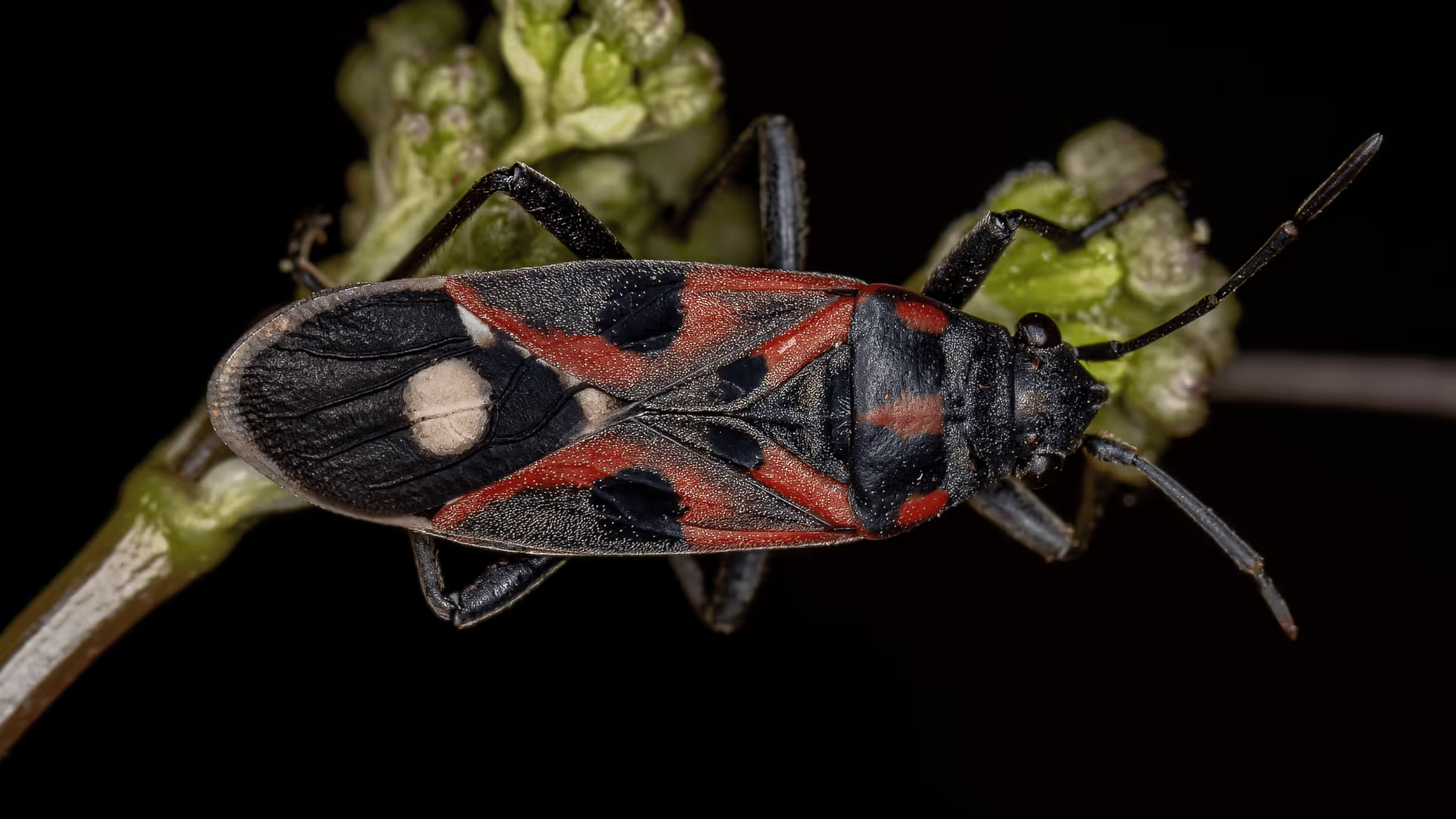
These bugs can be recognized by their distinctive reddish-brown color and the notable black-and-white patterning along their abdomen, which is visible when their wings are spread.

We handle elm seed bugs in Utah
Covered by our General Pest Control plan — treatment, follow-up, and our pest-free guarantee.
Elm Seed Bug Facts for Salt Lake City:
What Are Elm Seed Bugs?
A true bug species (Arocatus melanocephalus) originally from Europe, now extremely common in the Salt Lake City area.
They feed primarily on elm tree seeds and are known for clustering in large numbers on the sunny sides of buildings, trees, and inside homes; especially during summer and as they seek shelter before winter.
When They're Worst
Summer months bring the largest outdoor aggregations. In late fall, they move indoors through crevices around windows, door frames, and small openings to overwinter. Expect peak indoor activity as temperatures drop.
Are They Harmful?
No. Elm seed bugs don't bite, sting, or cause structural damage. They're purely a nuisance pest. They invade in large numbers, make sudden flights indoors, and emit an unpleasant odor when disturbed or crushed.
The annoyance factor is the main reason they end up on the pest control radar.
Where They Gather
Sunny sides of buildings and trees outdoors. Indoors they settle in cracks around windows, door frames, wall voids, and any small sheltered openings. Properties near elm trees are at highest risk.
How to Identify Them
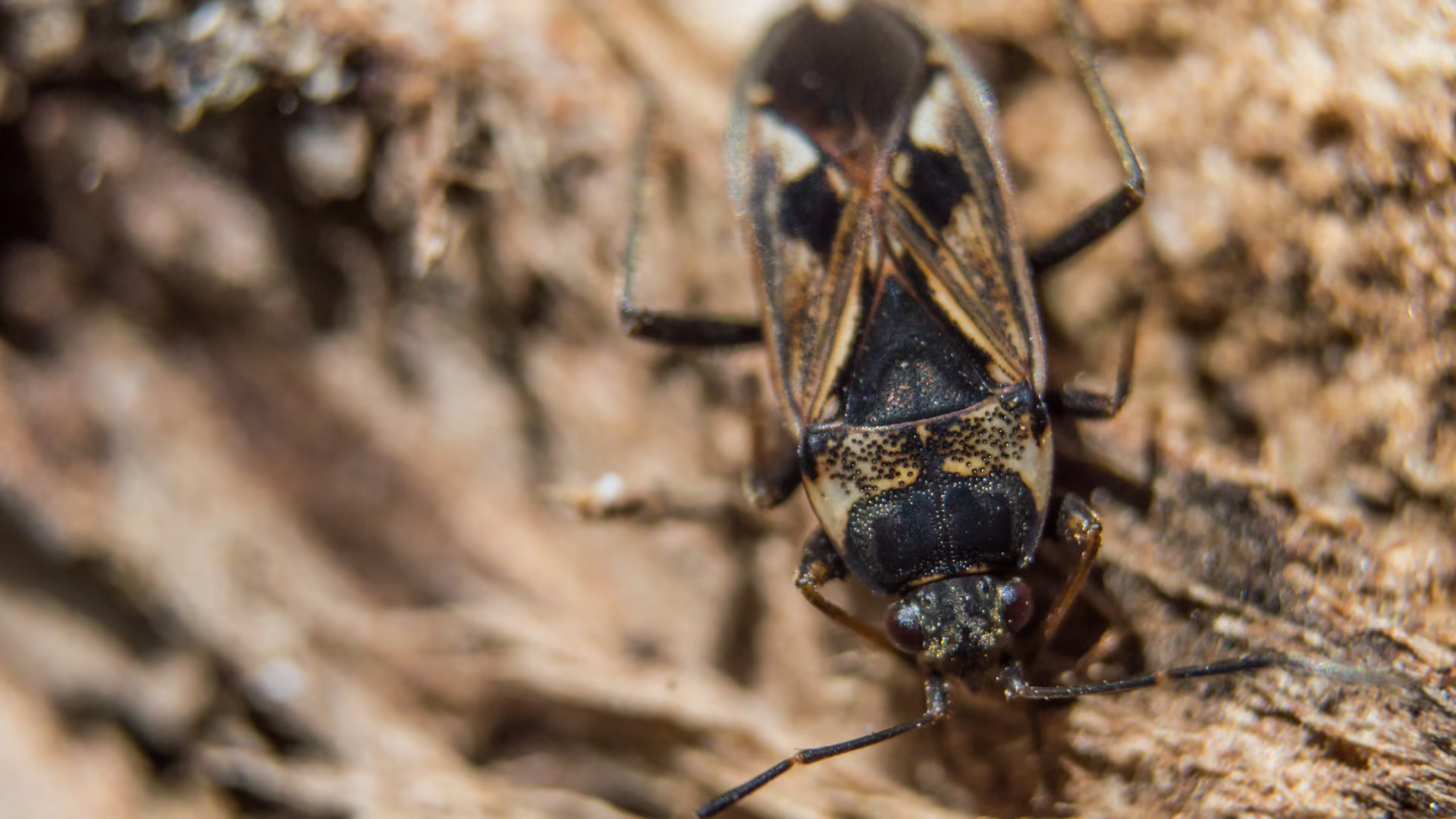
Reddish-brown body with black-and-white patterning along the abdomen (visible when wings are spread).
Flat, oval shape with a small triangle-shaped plate (scutellum) on the back.
Often mistaken for boxelder bugs.
Prevention Tips
- Seal cracks around windows, doors, and foundations.
- Repair damaged screens.
- Clean up fallen elm seeds and leaves regularly.
- Switch to yellow-tinted outdoor lights.
- Keep yard free of debris and leaf piles that attract them.
How to Keep Elm Seed Bugs Out of Your Property
Preventing an infestation of elm seed bugs requires a few proactive steps, each designed to bolster your home's defenses against these invasive pests.
Steps you can take to prevent an Elm Seed Bug infestation include:
- Sealing cracks and openings: Inspect your home for any cracks or small openings around windows, doors, and foundations. Use caulk or weather stripping to seal these potential entry points.
- Repairing damaged screens: Make sure all window and door screens are intact and free of holes or tears that could allow bugs to enter.
- Keeping up with yard maintenance: Eliminate debris and clutter from your yard, such as piles of leaves or wood, which can serve as attractive hiding spots for elm seed bugs.
- Managing elm tree debris: Regularly clean up any elm seeds or leaves that have fallen to the ground to reduce food sources for the bugs.
- Using proper lighting: Opt for yellow-tinted outdoor lights, which are less attractive to elm seed bugs and other insects.
- Getting a professional opinion: If the problem persists or you are unsure how to proceed, contact a pest control expert like Pest Pro Pest Control to conduct an assessment and recommend custom solutions.
By following these steps, you can safeguard your home against the nuisance of elm seed bugs, creating a peaceful, more comfortable environment for your family.
If you have a problem with elm seed bugs, call Pest Pro Pest Control in Salt Lake City at (801) 810-7378 to request a free estimate for elm seed bug control services!
Discover the Impact of Elm Seed Bugs in the Salt Lake City Area
Elm seed bugs, known scientifically as Arocatus melanocephalus, are a true bug species that originated in Europe and has become a common sight in the Salt Lake City area. Residents often encounter them in large numbers, especially during the summer months, and their presence is most commonly associated with their signature aggregation behavior — they will often cluster in significant numbers on the sunny sides of buildings, trees, and even inside homes.
What draws the elm seed bug to our urban landscapes is the abundant presence of the elm trees they like to feed on. Their diet is primarily the seeds of the elm tree, hence their name, but their existence becomes a real bother to homeowners when they venture into houses seeking shelter or warmth. They tend to favor crevices around windows, door frames, and other small openings to settle in for the colder months.
Identifying Elm Seed Bugs: Key Characteristics
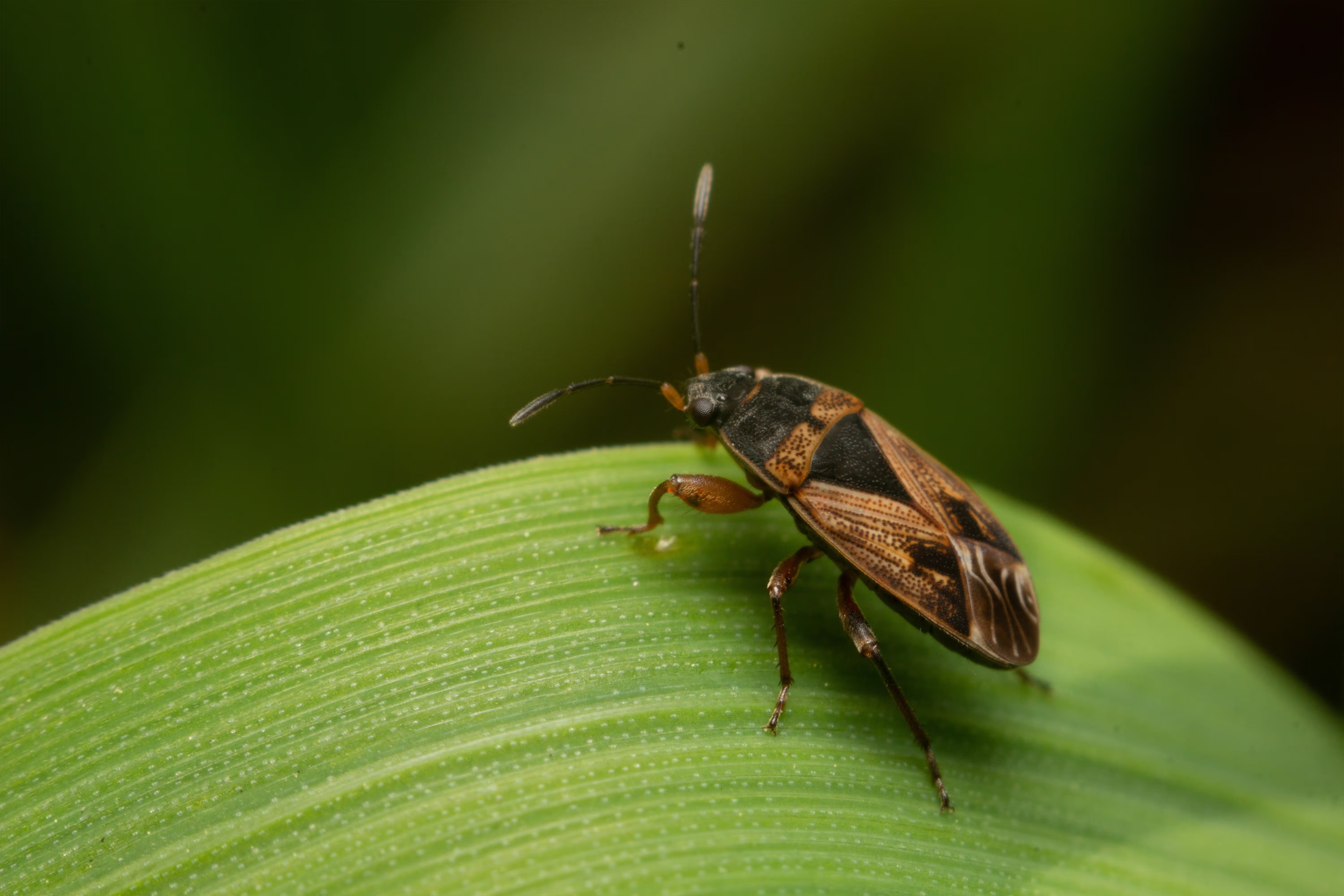
Identifying elm seed bugs is the first step to ensuring they don't become unwelcome tenants in your home. These bugs can be recognized by their distinctive reddish-brown color and the notable black-and-white patterning along their abdomen, which is visible when their wings are spread. Elm seed bugs are also characterized by a small, triangle-shaped plate on their back, known as a scutellum. Their overall body shape is somewhat flat and oval, and they are often mistaken for the Boxelder bug due to their similar appearance.
Understanding the Nuisance of Elm Seed Bugs
While elm seed bugs are not known to be harmful to humans or pets, their presence can be quite a nuisance. Fortunately, these bugs are not destructive pests; they do not damage the structure of homes or nibble on household items. However, when they make their way indoors, they can become a source of irritation with their sudden flights and their habit of accumulating in large numbers. Some residents might also find the scent they emit when disturbed or crushed unpleasant, although it's important to note that this odor is not harmful.
This annoyance factor, rather than direct harm, puts elm seed bugs on the radar for pest control. To mitigate the inconvenience these bugs cause, maintaining a well-sealed home environment and contacting a professional pest control service, such as Pest Pro Pest Control, for advice and assistance can be highly effective in managing and preventing an infestation.
Do you have questions about elm seed bugs? Call the pest professionals at Pest Pro Pest Control at (801) 810-7378 for answers!
Get Rid of Elm Seed Bugs in Salt Lake City
Service often can be scheduled within 24 hours.