Vole Identification Guide
The biggest concern when it comes to voles is that they are garden pests and are capable of causing extensive damage to our lawns, landscaping, and fruit trees. They also are problematic in fields and may cause damage to crops.

We handle voles in Utah
Covered by our Wildlife Control plan — treatment, follow-up, and our pest-free guarantee.
Vole Facts for Salt Lake City:
What Are Voles?
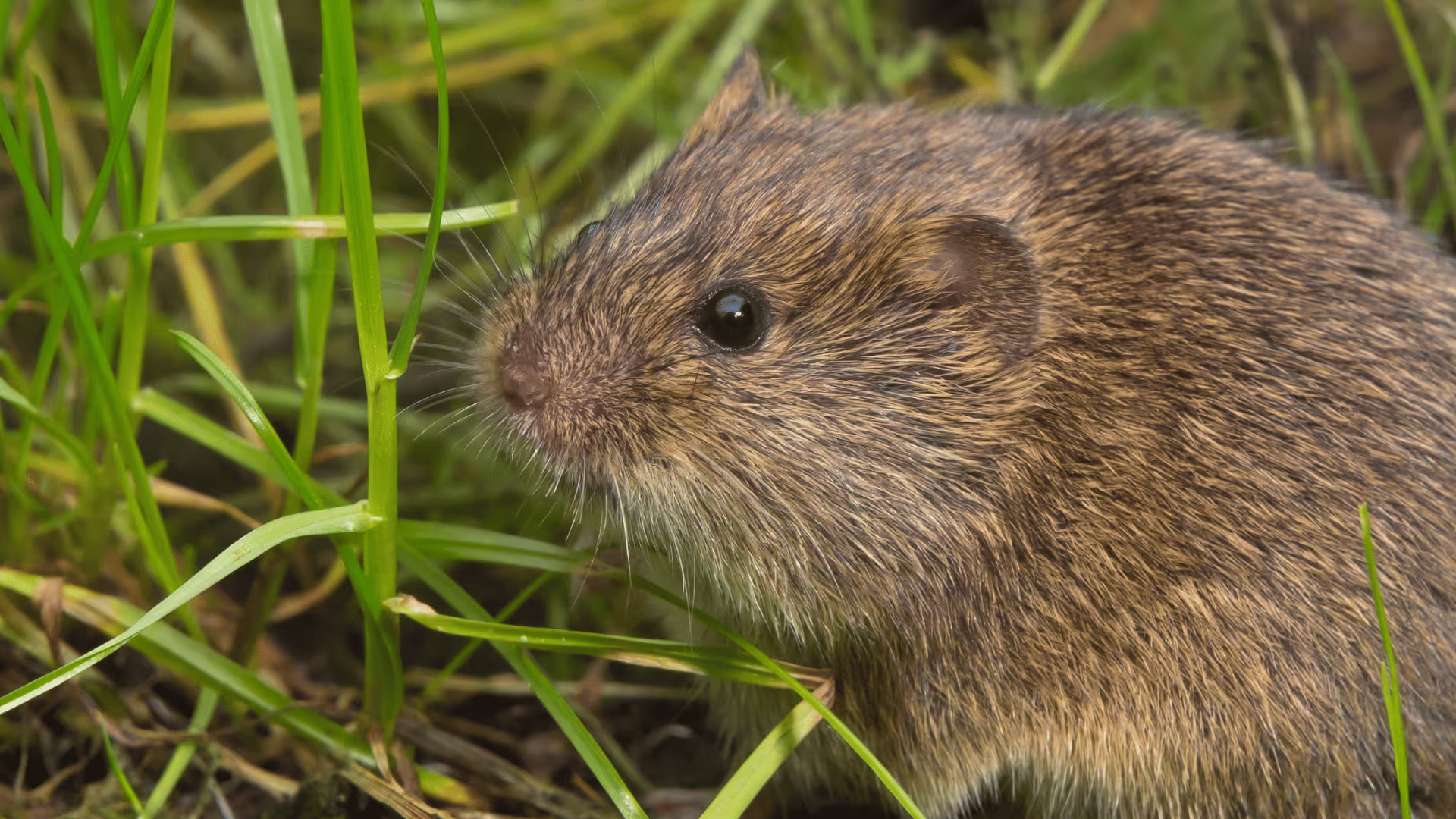
Voles are small ground-dwelling rodents with stocky, oval-shaped bodies, short legs, and a short tail. Adults grow to 5–7 inches with chestnut-brown or black fur. They have rounded, blunt snouts and chisel-shaped front teeth that grow continuously. Unlike other rodents, voles rarely enter homes — they live almost entirely underground in tunnel systems across lawns and yards.
Signs of a Vole Problem
The telltale sign is a network of shallow runways through your grass, most visible after snow melts or when the lawn is short. You'll also notice small round holes (about 1.5 inches wide) at tunnel entrances, gnaw marks on the base of trees and shrubs, and damaged bulbs or root vegetables in garden beds. Voles are herbivores that feed on grass, plants, bulbs, and roots using their sharp front teeth.
Are Voles Dangerous?
Voles rarely contact people directly, but they spread disease through urine and droppings and carry fleas and ticks. The bigger concern is property damage — they destroy lawns, landscaping, fruit trees, and garden beds, and are active year-round day and night.
What Attracts Voles
Voles prefer big open spaces with plenty of grass and vegetation. Properties near golf courses, parks, meadows, and fields are most at risk. Dense mulch, brush piles, and overgrown vegetation provide ideal cover for their tunnel systems.
What Vole Damage Looks Like
Look for visible surface "runways" — worn paths through grass connecting burrow entrances. Entry and exit holes dot the lawn, making mowing difficult and creating tripping hazards. Tunneling damages root systems and ruins the appearance of your yard.
How to Deter Voles
Keep your lawn mowed short, remove brush piles, woodpiles, and overgrown vegetation, and avoid overusing mulch — voles love to tunnel through dense mulch beds. Reducing ground cover eliminates the hiding spots they depend on.
How do I get rid of voles?
A vole infestation is a frustrating pest problem. The easiest way to get rid of voles and other wild animals is to partner with Pest Pro Pest Control. We provide the effective services needed for both residential pest management and commercial pest management, covering wildlife, insects, rodents, and other pests.
At Pest Pro Pest Control, we are committed to helping Utah home and business owners maintain pest-free properties with our guaranteed pest control services. For more information about our wildlife control treatments, reach out to Pest Pro Pest Control today!
How can I prevent voles in the future?
Keep your Utah home and yard protected from voles with the help of Pest Pro Pest Control and the following prevention tips:
- Remove hiding spots from your yards, including brush piles, woodpiles, and overgrown vegetation.
- Maintain your lawn and mow it regularly to keep the grass short.
- Don’t overuse mulch, voles like to tunnel through areas of dense mulch.
All About Voles in Utah
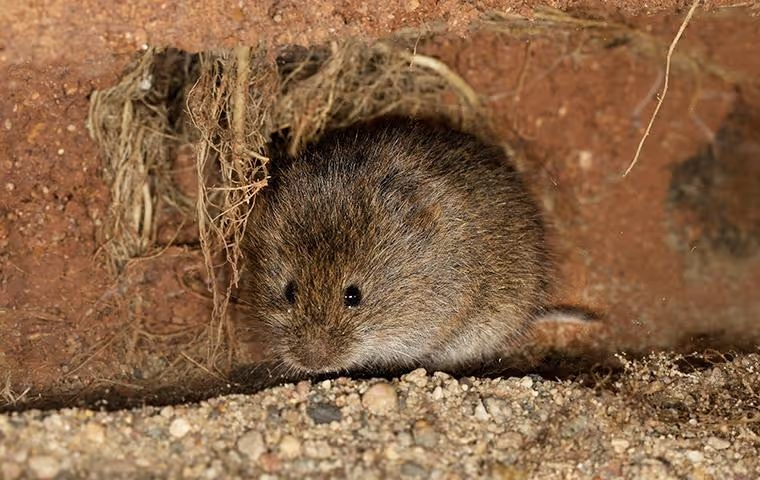
Voles are a type of ground-dwelling rodent. They have small oval-shaped stocky bodies with short legs and tail. The ears are covered in fur and don’t protrude much above the fur that covers their body and head. Adults grow to between five and seven inches in length. Chestnut-brown or black fur covers their body.
Voles have rounded, blunt snouts, and their front teeth are a chisel shape. Like all species of rodents, the voles front teeth grow throughout their lifetime and they constantly gnaw on objects to keep their teeth from overgrowing.
Are voles dangerous?
Voles are not a species of rodent that find their way into our Salt Lake area homes and outbuildings, in fact, people rarely ever come into contact with these rodents. But, still like other rodents as voles travel they leave behind them trails of urine and excrement which they can spread diseases through. Living in their fur is a variety of parasites including fleas and ticks, which carry their own set of diseases that pose a danger to people.
The biggest concern when it comes to voles is that they are garden pests and are capable of causing extensive damage to our lawns, landscaping, and fruit trees. They also are problematic in fields and may cause damage to crops.
In our Salt Lake City yards, the entrance and exit holes at the beginning and end of their tunnels cause twisted ankles and make mowing lawns difficult. Also, their tunnel systems damage the aesthetic of lawns.
Voles are active day and night throughout the entire year, causing them to be a constant threat to our yards.
Why do I have a vole problem?
You have a problem with voles in your Salt Lake City home because your property is providing a suitable environment for them to live and forage for food in. Voles prefer big open spaces with a lot of grass and other vegetation to feed on- all things most yards offer them.
These rodents spend most of their time in their underground tunnels, though they also forage for food above the ground as well. Voles are herbivores and use their sharp front teeth to help them feed on things like grass, plants, bulbs, and roots.
Where will I find voles?
Neighborhoods located next to golf courses, parks, meadows, fields, and other open areas may experience more problems with hungry voles than neighborhoods located in more urban areas.
If voles are living in your yard you will begin to notice their “runways.” They use their runways to travel back and forth from the food sources to burrows and to connect the entranceways of their burrows. The runways are most noticeable in grassy areas- like our lawns.
Request Your Free Estimate
Service often can be scheduled within 24 hours.