Raccoons Identification Guide
A type of wild animal, raccoons are perfectly capable of living outside on their own without the help of people. Yet, they won’t hesitate to take advantage of any food or shelter our properties offer them!

We handle raccoons in Utah
Covered by our Wildlife Control plan — treatment, follow-up, and our pest-free guarantee.
Quick Raccoon Facts for Salt Lake City:
What Are Raccoons?
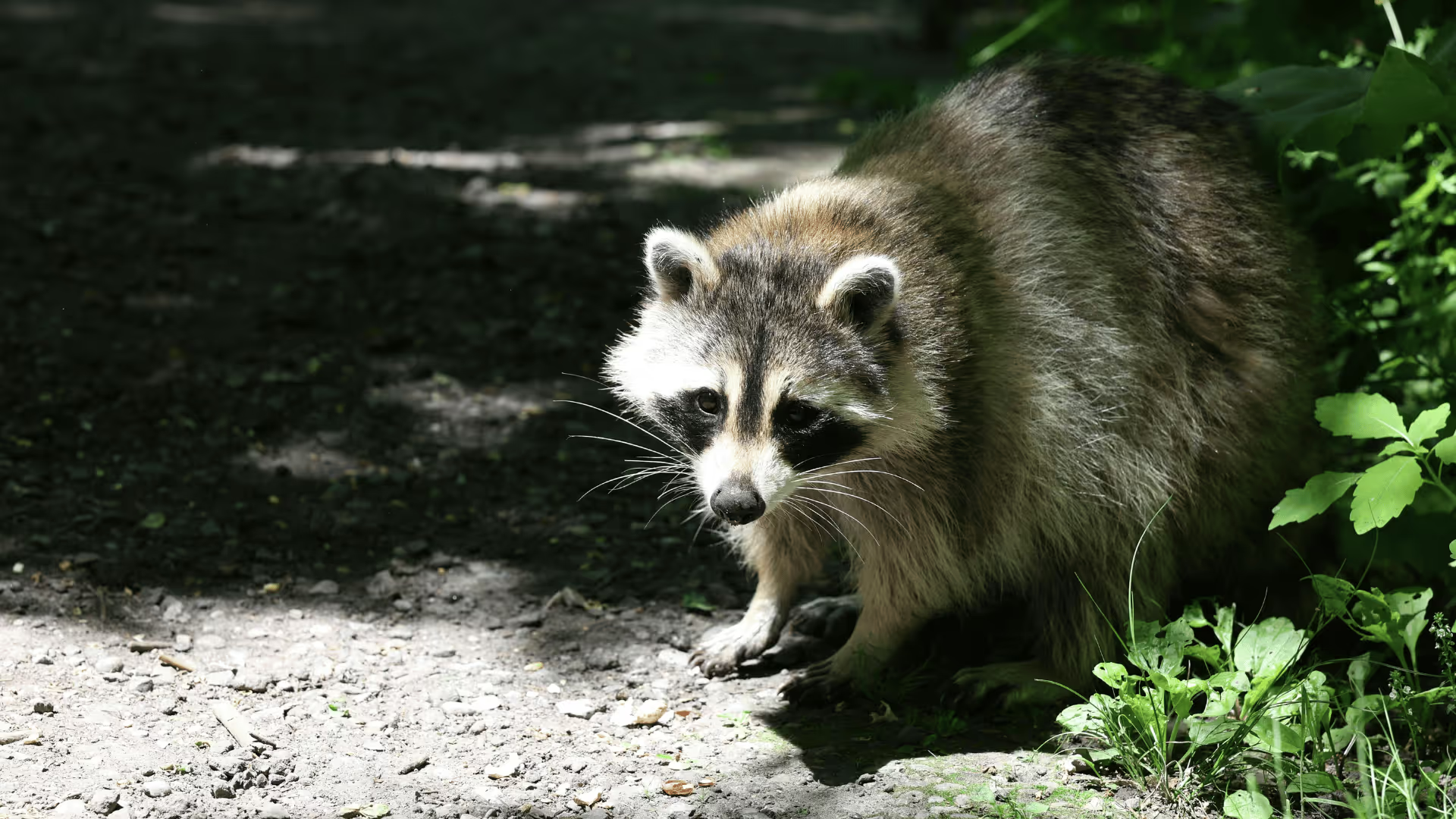
Furry mammals about the size of a house cat, known for their black eye mask and gray-and-black ringed tail.
Their hand-like paws give them excellent dexterity to manipulate objects and break into structures.
When They're Active
Nocturnal: they scavenge for food at night.
Most active during spring and summer when food is plentiful, but seen year-round in urban areas.
Seeing a raccoon during the day may indicate a problem; observe from a distance and contact wildlife control if it seems aggressive.
Health Risks
Raccoons spread rabies and carry disease-carrying fleas and ticks.
Their waste contains roundworm parasites that can infect humans.
As wild animals, they will bite, scratch, and hiss when they feel threatened.
Where They Hide
Tree hollows, under fallen trees, rock crevices, and abandoned animal dens.
In urban areas: parks, near dumpsters, and abandoned cars.
On your property: under sheds and decks, in chimneys, crawl spaces, attics, and brush or woodpiles.
Property Damage
Raccoons dig and chew through insulation, drywall, wires, and ducts.
They use their paws and teeth to create openings in vents, along the roofline, and around windows and doors.
They also damage gardens, lawns, garbage bins, and compost bins while foraging for food.
Prevention Tips
- Secure trash cans with locking lids.
- Bring pet food indoors each evening.
- Cut tree branches away from your home.
- Shut garage, shed, and basement doors nightly.
- Install a chimney cap, repair roof damage, and seal gaps around windows, doors, and vents.
How do I get rid of raccoons?
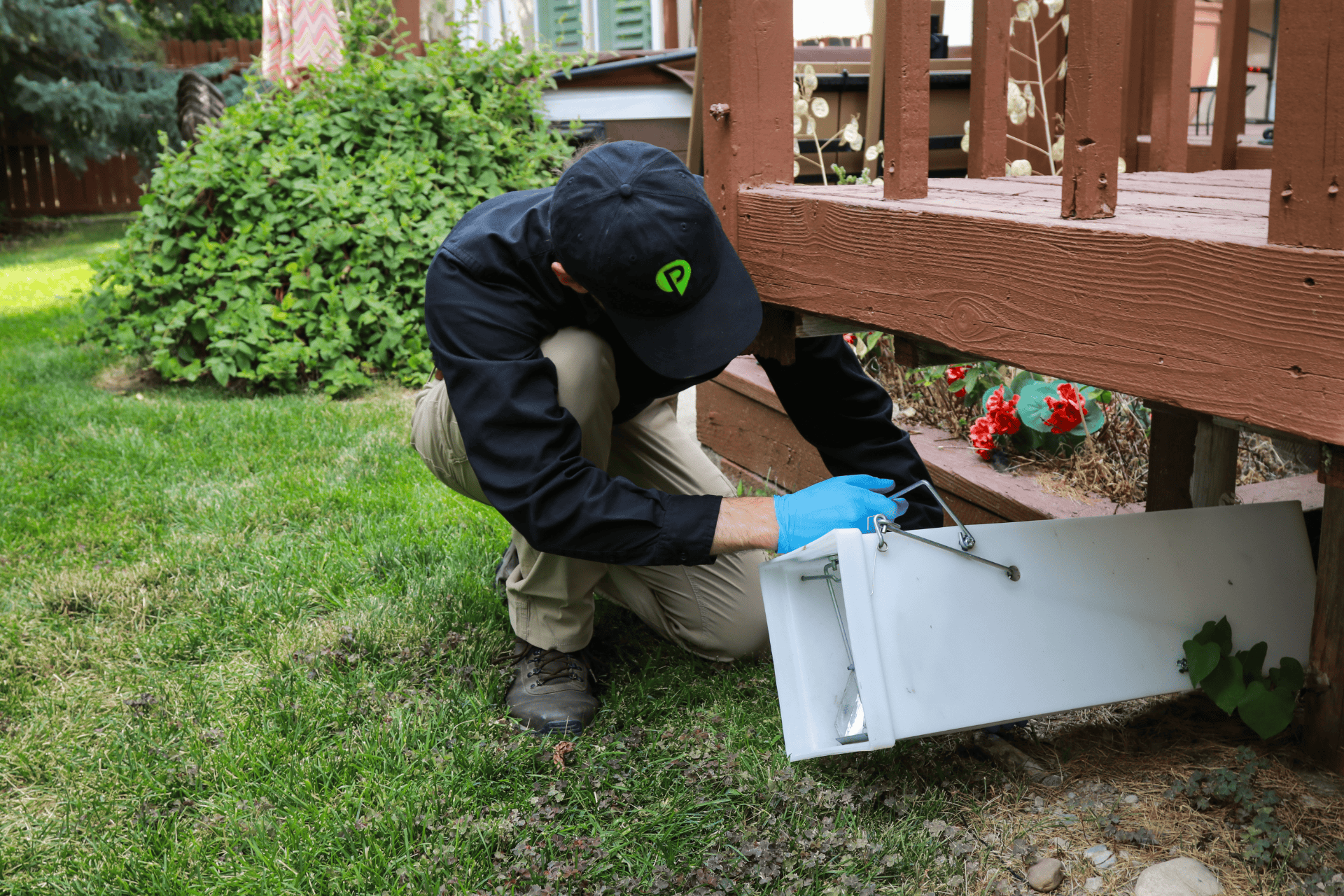
A raccoon infestation is a frustrating pest problem. The easiest way to get rid of raccoons and other wild animals is to partner with Pest Pro Pest Control. We provide the effective services needed to protect Utah residential and commercial properties from wildlife, insects, rodents, and other pests.
At Pest Pro Pest Control, we are committed to helping Utah home and business owners maintain pest-free properties with our guaranteed pest control services. For more information about our wildlife control treatments, reach out to Pest Pro Pest Control today!
All About raccoons
Raccoons are interesting little creatures that are fun to watch run around out in nature. But, when these wild animals set their sights on your Salt Lake City yard or home, they suddenly turn into unwanted pests that you want nothing to do with.
A type of wild animal, raccoons are perfectly capable of living outside on their own without the help of people. Yet, they won’t hesitate to take advantage of any food or shelter our properties offer them!
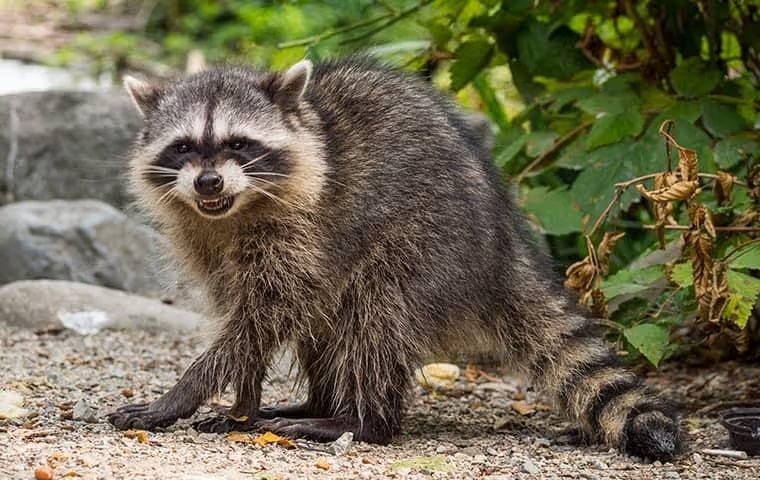
These furry mammals are about the size of your average house cat. They are most well-known for their black “mask” of fur that covers their eyes. Salt and pepper colored fur cover the raccoon's hunched body and the tail is ringed in gray and black fur. Raccoons are difficult to keep out of buildings and other unwanted areas as their hand-like paws provide them with good dexterity and the ability to manipulate objects.
Are raccoons dangerous?
Raccoons do pose health risks to people. They spread many diseases that make people ill including rabies. They also carry disease-carrying fleas and ticks that they introduce onto properties. Raccoons themselves carry parasites like roundworms which can be contacted by people through their waste.
Another problem with raccoons living in or near your Salt Lake area home is that they are wild animals. This means that in order to protect themselves from any perceived threat they will do things like bite, scratch, hiss, and display other aggressive behaviors.
More than a health risk, raccoons pose problems to your property by causing physical damage to your home and lawn. They will dig and chew through insulation, drywall, wires, and ducts. To enter homes they will use their paws and teeth to create openings in vents, along the roofline, and around windows and doors. Raccoons will also damage gardens, lawns, garbage bins, and compost bins as they forage for food.
Where will I find raccoons?
Raccoons can make themselves at home in a variety of places like tree hollows, under fallen trees, the abandoned dens of other animals, or between rock crevices. Those that have adapted to a more urban setting live in parks, near dumpsters, and in abandoned cars.
If raccoons have decided to turn your yard or home into their home they will make themselves at home in spaces under sheds or decks, in chimneys, crawl spaces, and attics. They also like to hide out in brush piles or woodpiles.
Understanding Raccoon Behavior and Prevention
To effectively manage raccoon infestations, it’s important to understand their behavior and the factors that attract them to your property. Raccoons are nocturnal creatures, often scavenging for food in urban areas. They are drawn to easily accessible food sources, such as pet food left outside, garbage cans, and bird feeders. By recognizing these behaviors, you can take proactive steps to deter raccoons from invading your space.
Here are some effective prevention tips to keep raccoons at bay:
- Secure Garbage Bins: Use raccoon-proof containers and ensure lids are tightly closed to prevent rummaging.
- Remove Food Sources: Bring pet food indoors at night and clean up any fallen fruit from trees in your yard.
- Seal Entry Points: Inspect your home for gaps or holes, especially in attics and basements, and seal them to block potential entry.
- Install Motion-Activated Lights: Bright lights can deter raccoons from approaching your property at night.
- Use Natural Deterrents: Consider using scents that raccoons dislike, such as ammonia or vinegar, around your property.
By implementing these strategies, you can significantly reduce the likelihood of a raccoon invasion and protect your home from potential damage. If you suspect a raccoon problem, don’t hesitate to contact Pest Pro Pest Control for professional assistance.
How can I prevent raccoons in the future?
Keep your Utah home and yard protected from raccoons with the help of Pest Pro Pest Control and the following prevention tips:
- Raccoons are mainly nocturnal. Pick up any uneaten pet food each evening to prevent raccoons from using it as a midnight snack.
- Keep raccoons out of your trash cans and compost bins by keeping locking lids on them.
- Cut tree branches away from the exterior of your home.
- Maintain garden areas.
- Make sure to shut garage doors, shed doors, and basement doors each evening.
- Repair loose window screens and caulk gaps around windows and doors.
- Place tight-fitting covers over vents leading into your home.
- Install a chimney cap and repair any roof damage.
Frequently Asked Questions
What should I do if I see a raccoon during the day?
Raccoons are typically nocturnal, so seeing one during the day may indicate a problem. It's best to observe from a distance and avoid approaching it. If it seems injured or aggressive, contact local wildlife control for assistance.
How can I prevent raccoons from entering my property?
To deter raccoons, secure trash bins with tight-fitting lids, remove pet food and bird seed from outdoor areas, and seal any openings in your home, including vents and gaps around doors and windows.
What time of year are raccoons most active?
Raccoons are most active during the spring and summer months when food is plentiful. However, they can be seen year-round, especially in urban areas where they find easy access to food.
Request Wildlife Control Service Today
Service often can be scheduled within 24 hours.