
Learn About Moths in Salt Lake City
Some moth species are considered pests in residential and commercial settings due to their larvae's diet of fabrics, food grains, and other stored products.

We handle moths in Utah
Covered by our General Pest Control plan — treatment, follow-up, and our pest-free guarantee.
Moth Facts for Salt Lake City:
What Are Moths?
A diverse group of insects closely related to butterflies, with tens of thousands of species worldwide. Identified by scaly, winged bodies ranging from subdued browns and greys to vibrant patterns. They're mostly nocturnal and use feathery or threadlike antennae to sense chemical cues. Some species are harmless, but others are serious pests whose larvae destroy fabrics, food, and stored products.
About Caterpillars
Moth larvae have soft, segmented bodies often covered in bristles or spines. Some carry urticating hairs that cause skin irritation. Look for silk trails, chewed leaves, and rolled-leaf shelters as signs of activity.
What They Damage
Larvae are the destructive stage; not the adults.
Clothes moth larvae feed on wool, fur, silk, and feathers, ruining clothing and textiles.
Pantry moth larvae infest grains, nuts, flours, and dried food, contaminating entire pantries.
Cabbage moth larvae target garden vegetables like broccoli and kale.
What Attracts Them
Unsealed pantry items, closets full of natural fibers, damp basements and laundry rooms, dark undisturbed spaces like attics and storage boxes, bright outdoor lighting, and fruit trees or flowering plants.
Pest Species in Utah
Clothes Moths: target natural fibers in closets and drawers.
Pantry Moths: infest stored food products.
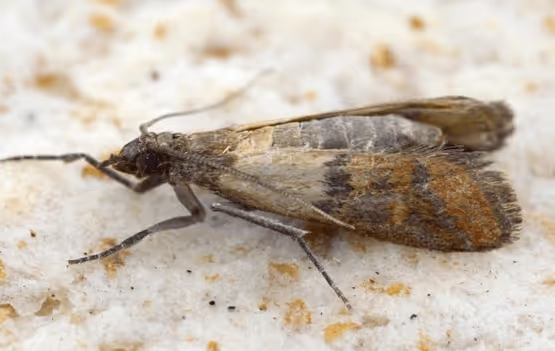
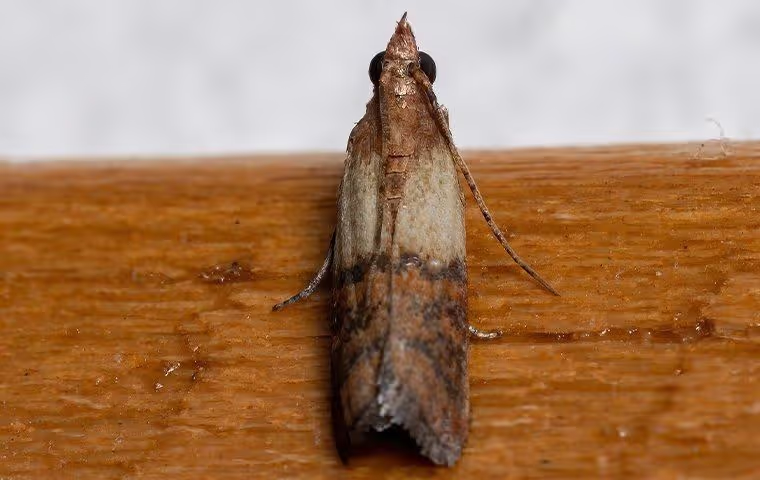
Indian Meal Moths: tan and copper wings, raid kitchen pantries.
Cabbage Moths: larvae attack garden vegetables.
Prevention Tips
Store food in airtight containers. Keep closets clean and use cedar or moth repellents with wool and silk items. Reduce moisture in basements and laundry rooms. Switch to yellow-tinted outdoor lights. Regularly check dark storage areas for signs of larvae.
Learn More About the Moths and Caterpillars of Salt Lake City
Moths are a diverse and widespread group of insects, closely related to butterflies, with tens of thousands of species found across the globe. Typically, they can be identified by their scaly, winged bodies and a tendency to be more active at night, which is why we often notice them fluttering around lights.
In terms of appearance, moth colors can range from subdued browns and greys to vibrant patterns with startling eyespots designed to deter predators. A noteworthy feature is their feathery or threadlike antennae, which they use to sense chemical cues in the air, especially when searching for mates or food.
Some moth species are considered pests in residential and commercial settings due to their larvae's diet of fabrics, food grains, and other stored products. Moths generally prefer dark, undisturbed areas where they can lay their eggs peacefully and where their larvae can feed without interruption. While moths usually do not pose a health risk, their presence can be a nuisance and lead to costly damage to materials and food sources.
Types of Moths to Watch Out For
Most moths are harmless and essential parts of our ecosystem. However, in the Salt Lake City area and throughout Utah, residents should be on the lookout for specific types of moths that could be considered pests. These moths can range from mere annoyances to the culprits behind notable damage to clothes and food items.
Utah is home to multiple moth species, including:
- Clothes moths (tineola bisselliella): Often found in closets and drawers, their larvae feast on natural fibers like wool, fur, silk, and feathers, leading to ruined clothing and textiles.
- Pantry moths (podia interpunctella): Known to infest food storage areas, their appetite includes grains, nuts, flours, and a variety of dried food products, and their feeding habits can lead to contamination and waste.
- Indian meal moths: Recognizable by their distinctive wing pattern—tan on the front half and coppery on the back—they also raid pantry items and are a common sight in kitchens.
- Cabbage moths (mamestra brassicae): While they prefer gardens to houses, these moths can become an issue for those growing vegetables as their larva—cabbage worms—target plants like broccoli and kale.
These varieties are more than an inconvenience; they can cause significant damage and loss. Knowing what to look for helps in early identification and prevention. If you spot signs of these or other moth infestations, Pest Pro Pest Control has the expertise to help you manage and eliminate these pesky intruders from your home or business.
About Moth Caterpillars
Caterpillars are the larval stage of moths and are voracious feeders, with some species having the ability to significantly impact agriculture by feasting on crops, while others might only nibble on leaves, causing minimal damage. Moth caterpillars are as diverse and interesting as their adult counterparts, possessing a range of habits and features that make them truly unique. You can identify these critters by their soft, segmented bodies – often adorned with bristles or spines, and in some cases, striking patterns or colors that warn predators of their potential toxicity.
These little larvae lead fascinating lives tucked away in their chosen habitats—some roll leaves into shelters, while others create silk cocoons for protection during metamorphosis. As they grow, they molt multiple times, and with each stage, they may change in color and size.
While most caterpillars are harmless, a few carry urticating hairs that can cause skin irritations, making it wise to admire them from a distance unless you're sure they're safe to handle. Keep an eye out for signs of infestation, such as silk trails or chewed leaves.
If you have questions about moths or their larval forms, call our Salt Lake City pest professionals at (801) 810-7378!
What Attracts Moths?
Moths, much like any creature, are drawn to environments that cater to their basic needs for survival and reproduction. If you're wondering why these fluttering visitors frequent your property, it may be because you’ve accidentally laid out the welcome mat for an infestation.
Your property may be extra attractive to moths if it has features like:
- Unsealed pantry items: Grains, flours, cereals, and nuts that aren't stored in airtight containers can be a feast for pantry moths.
- Closets full of natural fibers: Fabrics like wool, silk, and fur are perfect for clothes moths to lay their eggs, where the larvae can happily munch away.
- Damp areas: Moths are attracted to moisture, so areas like a damp basement or laundry room might attract these insects.
- Dark and undisturbed spaces: Attics, wardrobes, and storage boxes that are rarely opened create ideal homes for moths to settle in.
- Outdoor lighting: Bright lights can attract moths to your property, especially in the darker hours after sunset.
- Fruit trees and flowering plants: These can attract moths as food sources and as potential sites for laying eggs.
Recognizing these allurements can help you proactively prevent a moth infestation. By keeping your home clean and your food sealed, and by reducing excess moisture and darkness, you can deter moths from taking up residence.
Has your home or business attracted too many moths? Call Pest Pro Pest Control at (801) 810-7378 or contact us online to request a free pest control estimate!
Request Service Today
Service often can be scheduled within 24 hours.