
Types of Ants in Utah: Identification Guide
How to identify the most common ants in Utah homes, where each one nests, and what their presence can tell you.
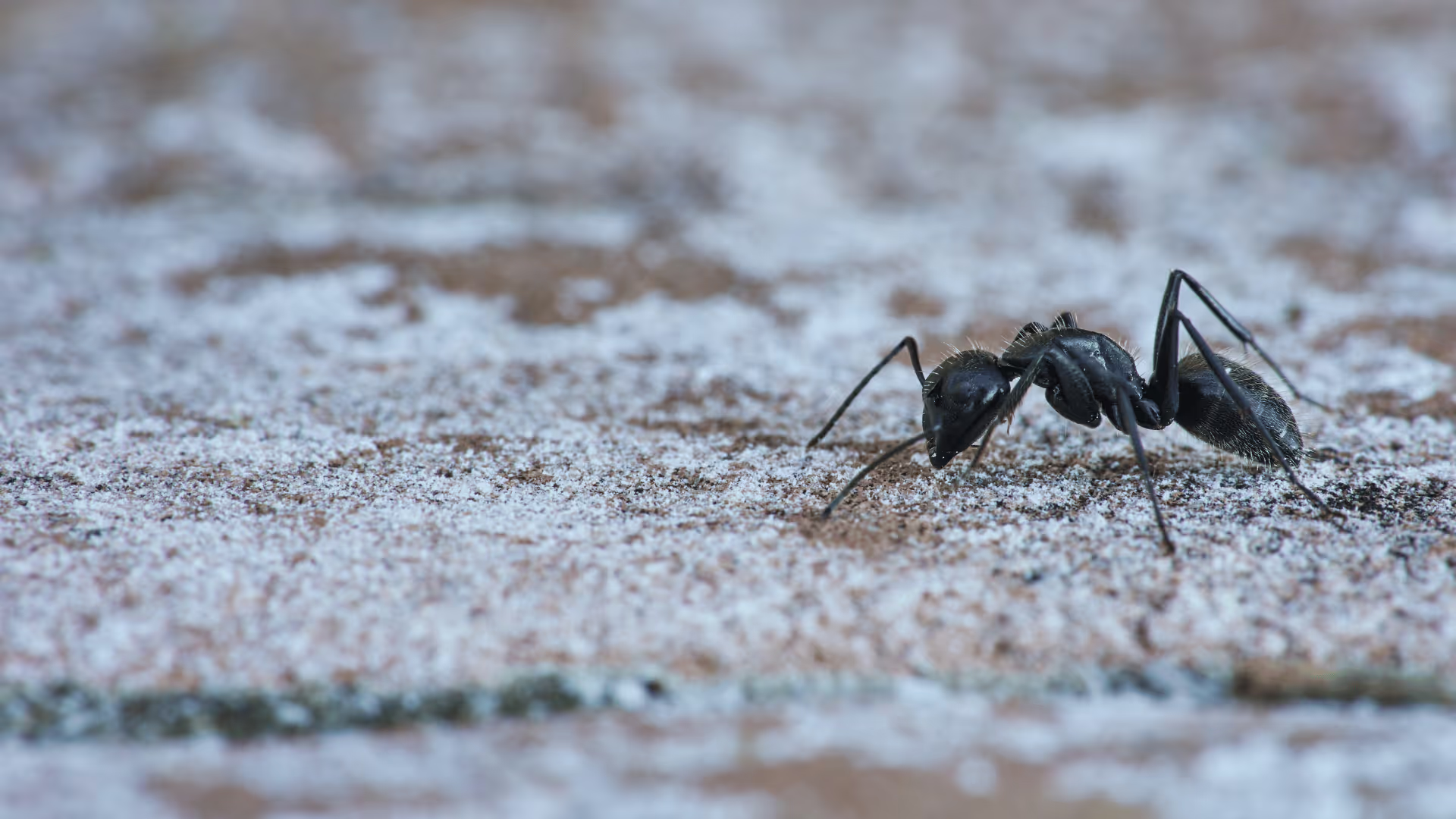

We handle Ants in Utah
Covered by our General Pest Control plan — treatment, follow-up, and our pest-free guarantee.
Quick Ant Facts for Salt Lake City:
What Are Ants?
Insects with six legs, three body regions, and two antennae belonging to the order Hymenoptera.
Over 10,000 species exist worldwide. Colonies are divided into queens, males, and workers.
Only a handful of Utah's many native ant species regularly show up in Salt Lake City homes and yards: pavement ants, odorous house ants, carpenter ants, field ants, and fire ants.
Signs of an Infestation
Frass near wood (carpenter ants), soil mounds in sunny open areas (fire ants), small dirt piles along sidewalks and driveways (pavement ants), repeat trails along baseboards and counters (odorous house and pavement ants), and winged swarmers indoors in spring or summer (an established colony nearby).
Are They Dangerous?
It depends on the species.
- Pavement ants are nuisance pests that can contaminate food.
- Carpenter ants cause structural wood damage.
- Fire ants deliver painful stings and can short-circuit electrical equipment.
Where They Nest
Carpenter Ants: water-damaged wood, tree stumps, behind walls.
Fire Ants: open sunny areas, along foundations and waterways.
Pavement Ants: cracks in sidewalks, driveways, and near foundations.
Common Species in Utah
Carpenter Ants: wood damage
Pavement Ants: nuisance invaders
Fire Ants: aggressive stingers
Odorous House Ants: rotten-coconut smell when crushed
Field Ants: lawn mounds, often mistaken for carpenter ants
Prevention Tips
You can help prevent ants by:
- Seal exterior cracks
- Fix leaking pipes
- Keep vegetation trimmed away from the foundation
- Store trash in sealed bins
- Wipe down counters daily to remove crumbs.
How do I get rid of ants?
An ant infestation is a frustrating pest problem. The easiest way to get rid of ants and other pests is to partner with Pest Pro Pest Control. We provide the effective home pest control and commercial pest control services needed to protect Utah residential and commercial properties from insects, rodents, and other pests.
At Pest Pro Pest Control, we are committed to helping home, and business owners in the Salt Lake City area maintain pest-free properties through our guaranteed pest control services.
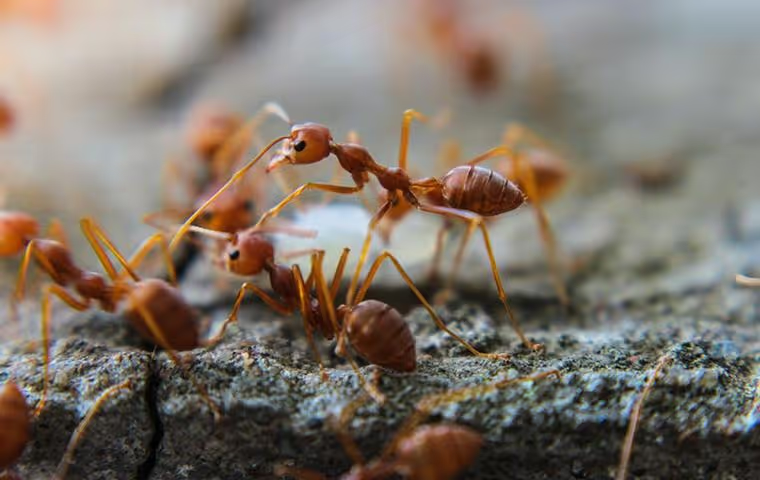
How can I prevent ants in the future?
Keep your Utah home and yard protected from ants with the help of Pest Pro Pest Control and the following prevention tips:
- Repair any openings in the exterior of your home that may allow ants to move inside.
- Fix leaking faucets and pipes inside and outside of your home.
- Cut overgrown grass and other vegetation away from the exterior of your home.
- Leave a barrier between the foundation of your home and any soil or mulch.
- Keep tight-fitting or locking lids on outdoor trash cans, recycling bins, and compost bins.
- Keep outdoor eating areas free of food debris.
- Inside, vacuum and wipe down counters and tables daily to get rid of spills and crumbs.
Learn More about Ants
Ants are a type of insect and belong to the order Hymenoptera. Adults have six legs, three body regions, two antennae, and chewing mouthparts; only the reproductive members have wings. Some of the most common species of ants to invade our homes and businesses are carpenter ants, pavement ants, and fire ants. There are more than 10,000 species of ants living throughout the world. Many species live out in nature away from our homes and business, while others, unfortunately, have learned to survive by invading our Salt Lake City area structures.
Ants are social creatures and divide their members and the workload into different groups: males, queens, and workers. The reproductive males and queens are responsible for mating and expanding the colony, while the workers (sterile females) do the majority of the workload for the colony, including foraging for food.
Should I be Concerned if I have ants?
Many of the species of ants we come across daily are nuisance ants and pavement ants are a good example. While they should never be welcome in our homes because they can spread bacteria and contaminate food, these pose no significant risks to people or our property.
Other species of ants do pose threats to people or our property. The carpenter ant causes structural damage inside homes by tunneling through structural wood to create nesting sites. Fire ants are aggressive and deliver painful bites and stings to people and our pets. They also invade and short circuit electrical and farm equipment.
Where am I most likely to find ants?
Where ants nest depends on their species. Carpenter ants will make their nests in wood previously damaged by water. Outside they nest in tree stumps, fallen trees, woodpiles, and old fences. In our homes, carpenter ants nest in structural wood located near pipes, behind walls, under floors, and above ceilings.
Fire ants stay away from heavily wooded or other shaded areas, instead preferring to nest in large open areas with plenty of sunlight. Fire ants place their nests in the middle of grassy areas, near foundations, or along fence lines. They also nest in the soil along rivers, ponds, and streams. Fire ants rarely move inside to nest, preferring to live outside.
Pavement ants make their nests in the exposed soil in or next to sidewalks, driveways, and foundations. Their preferred nesting locations put pavement ants close to our homes and businesses. Pavement ants will find their way indoors while looking for food to bring back to their colony. If they decide to stay and build a satellite nest, they usually do so in insulation, behind walls, and inside of masonry walls.
How to Tell Common Utah Ants Apart
Odorous house ants are small, dark, fast-moving ants named for the rotten coconut smell they release when crushed. They trail reliably along baseboards and countertops, and their colonies split easily when disturbed, which is why store-bought repellent sprays often make the problem worse rather than better.
Field ants are often mistaken for carpenter ants because of their size. They build mounds in lawns and along garden borders, and they'll sometimes enter homes through exterior gaps.
Velvety tree ants are found in mountainous and foothill areas of Utah, where they nest in dead or decaying wood. They're not common in urban Salt Lake City, but they do turn up on properties along the Wasatch foothills that border open space.
Not sure which species you have? See how our ant control service handles each one.
Request Your Free Pest Control Estimate
Service often can be scheduled within 24 hours.