Why Solar Panel Maintenance Should Include Cleaning & Bird Exclusion
Solar panels are one of the best investments you can make for your home. They reduce your energy costs, increase your property value, and provide clean, renewable power for decades. But like any significant investment, they require maintenance to perform at their best, and one of the most overlooked threats to your solar system is birds.
The Hidden Cost of Bird Activity on Solar Panels
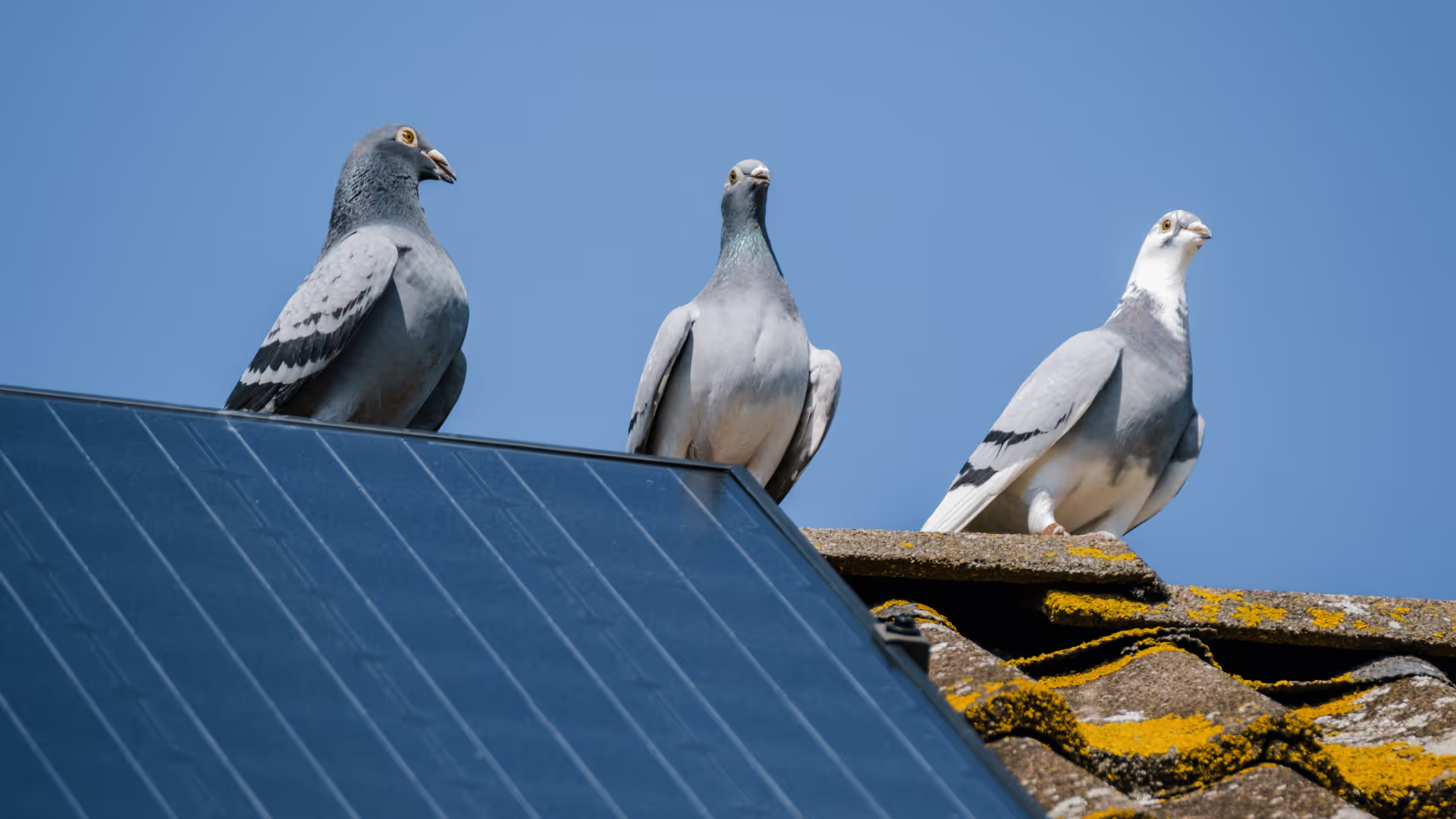
If you have solar panels on your roof, you've probably noticed that birds are drawn to them. The gap between the panels and the roof creates a warm, sheltered space that pigeons, sparrows, and starlings find ideal for nesting. What starts with a few birds roosting on the edges can quickly turn into a full nesting colony underneath your array.
Once birds take up residence, the problems compound fast. Nesting materials pile up, droppings accumulate, and debris begins to block airflow and sunlight. Most homeowners don't realize anything is wrong until they notice a dip in energy production or spot droppings and staining spreading across their roof.
How Bird Droppings Directly Reduce Panel Efficiency
Your solar panels generate electricity by absorbing sunlight, and anything that blocks that sunlight reduces their output. Bird droppings are one of the most common and damaging obstructions.
Unlike a thin layer of dust that rain might wash away, bird droppings are thick, sticky, and highly concentrated. They don't rinse off easily and tend to bake onto the panel surface in the sun. Even a small amount of droppings on a single panel can create a "hot spot," an area where blocked cells force the rest of the panel to work harder, reducing overall efficiency and potentially causing long-term cell damage.
Studies have shown that dirty solar panels can lose anywhere from 15 to 30 percent of their energy output depending on the severity of the buildup. For a system that's supposed to be saving you money, that's a significant hit to your return on investment.
The Damage Goes Beyond Efficiency
Bird droppings aren't just blocking sunlight. They're actively damaging your equipment. Droppings are highly acidic, and when they sit on your panels or roof surface over time, they eat into protective coatings and materials. This can lead to permanent staining, surface corrosion, and accelerated wear on both your panels and your roofing materials.
Underneath the panels, the problem is even worse. Nesting materials trap moisture against your roof, creating conditions that promote rot, mold, and deterioration of roofing materials. Birds also bring mites, lice, and other parasites into the nesting area, which can eventually find their way into your home. The accumulation of droppings and decaying organic waste also creates unpleasant odors and poses genuine health risks, as dried bird feces can release airborne spores linked to respiratory illnesses like histoplasmosis.
Why Cleaning Alone Isn't Enough
Many homeowners assume that occasionally hosing off their panels is sufficient maintenance. While cleaning is certainly part of the equation, it only addresses the symptom, not the cause. If birds are actively nesting under your solar panels, cleaning the surface will provide temporary improvement at best. Within days or weeks, fresh droppings and debris will undo the effort entirely.
Effective solar panel maintenance means addressing both the contamination and the source. That requires removing all existing nesting materials and droppings, thoroughly cleaning and sanitizing the panels and surrounding roof area, and then installing a physical barrier that prevents birds from accessing the space beneath your panels in the first place.
What a Professional Solar Panel Bird Exclusion Looks Like
A professional exclusion service starts with a complete cleanout. Technicians remove all nesting materials, built-up droppings, feathers, and organic waste from underneath and around the solar array. The panels and roof surface are cleaned and sanitized to remove bacteria, corrosive residue, and odors.
Once the area is clean, a low-profile exclusion barrier is installed around the full perimeter of the solar array. This barrier is typically made from reinforced, coated steel mesh designed to block birds and other small animals from getting underneath the panels. The mesh is engineered to be durable and weather-resistant while maintaining proper airflow and drainage so your panels continue operating at peak performance.
The result is a system that stays clean, produces energy efficiently, and is protected from future bird damage, without any ongoing maintenance required on your part.
Protect Your Investment
Solar panels are built to last 25 years or more, but bird damage can significantly shorten that lifespan and reduce the savings you expect from your system. Taking a proactive approach to bird protection isn't just pest control. It's smart home maintenance.
If you've noticed birds nesting under your panels, droppings building up on your roof, or a decline in your system's energy output, don't wait for the problem to get worse. The sooner you address it, the less damage your system sustains and the faster it returns to full efficiency.
For professional solar panel bird exclusion services in Utah, contact Pest Pro Pest Control at (801) 810-7378 or request a free estimate online. We'll clean up the mess, seal out the birds, and get your solar system back to performing the way it should.
Request Your Free Estimate
Service often can be scheduled within 24 hours.