
Earwigs in House Utah: What They Are & How to Stop Them
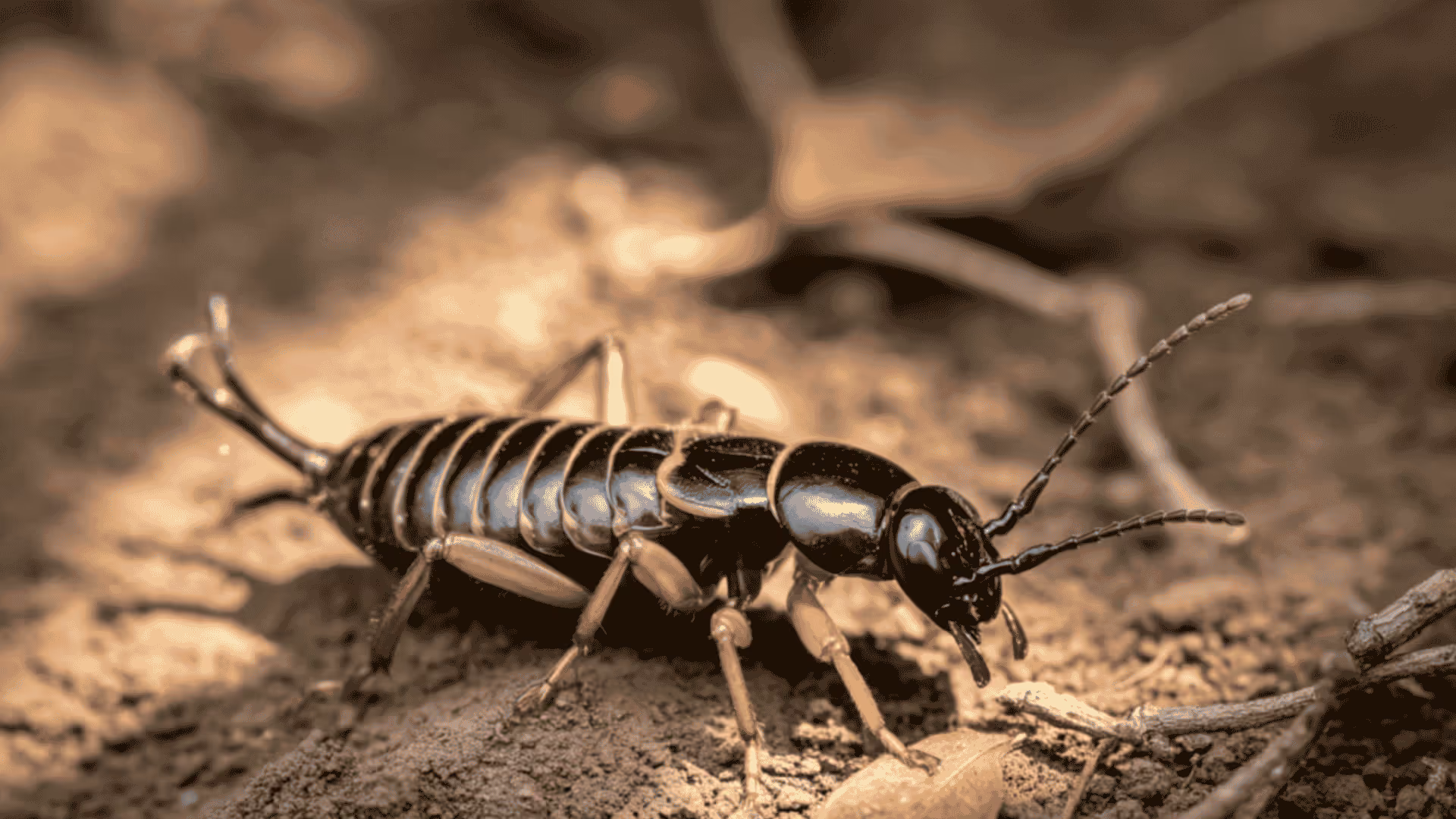
If you've lifted a pot in the garden or moved a pile of damp cardboard in the garage and seen a dark, elongated insect with pincers on its back end scurry away, you've met an earwig. They're one of the more unsettling-looking bugs you'll come across in a Utah home, mostly because of those pincers. But before you react, here's what's actually going on, and what you can do about it.
What Are Earwigs?
Earwigs are small, flat insects about 5/8 of an inch long, typically dark brown with a reddish head. The most distinctive feature is the pair of forceps-like cerci at the tail end. Males have curved cerci, females have straight ones. Despite how they look, earwigs rarely use those pincers on people. They're mostly used for defense against other insects and during mating.
The name "earwig" comes from an old European folk belief that they crawl into people's ears at night. That's a myth. They prefer cool, moist hiding spots close to the ground, not human ears.
Earwigs are primarily outdoor insects that become a problem inside when conditions outside dry out or when temperatures spike. In Salt Lake City, that happens reliably from June through August as Utah's summer heat sets in and soil moisture drops.
Why Earwigs Come Inside Utah Homes
Earwigs need moisture to survive. When the outdoor environment gets too hot and dry, they move toward cooler, damper conditions, which can mean following the foundation of your home indoors. They enter through the same gaps and cracks that other insects use: gaps under doors, cracks in the foundation, holes around pipes, and damaged weatherstripping.
Once inside, they tend to show up in:
- Bathrooms and laundry rooms, where moisture is consistently present
- Under sinks and around plumbing
- Basements and crawl spaces
- Garage interiors, especially if there's cardboard or other organic debris on the floor
- Near houseplants with damp soil
Seeing one or two earwigs inside is usually a sign they wandered in. Seeing them regularly, or finding them in multiple rooms, suggests a moisture problem or a gap in your home's exterior that's letting them in consistently.
Are Earwigs Harmful?
Earwigs are not dangerous to people or pets. They don't spread disease, they don't bite (though they can pinch with their cerci if handled, it's more surprising than painful), and they don't damage wood, food, or household materials the way some other pests do.
Outdoors, they can damage garden plants, particularly seedlings, leafy vegetables, and flowers. They feed on plant tissue, leaving ragged, irregular holes in leaves. If you're finding them frequently in a vegetable garden or flower bed, that's worth addressing.
Inside, the main concern is simply that most people don't want insects in their home, and earwigs appearing regularly can indicate a moisture problem that could attract other pests as well.
What Attracts Earwigs to Your Property
Several conditions around Utah homes make properties more attractive to earwigs. Understanding these helps with long-term prevention.
Moisture is the primary driver. Overwatered lawns, irrigation systems that run too frequently, standing water near the foundation, and leaking spigots all create the damp ground conditions earwigs thrive in. Dense mulch laid thick against the foundation holds moisture and provides both shelter and food (decaying organic material) for earwigs.
Outdoor lighting also plays a role. Earwigs are attracted to light, and they'll gather near illuminated entry points at night, which increases the chance they find a gap and come inside.
Leaf litter, wood piles, and garden debris close to the home give earwigs daytime shelter and bring their population right to your foundation.
DIY Prevention Steps That Actually Work
Most earwig problems can be managed or significantly reduced with consistent attention to the conditions that draw them in.
- Reduce moisture around the foundation. Water your lawn and garden in the morning so soil has time to dry out during the day. Fix any irrigation leaks or drainage issues near the foundation. Make sure gutters are directing water away from the house.
- Pull mulch away from the foundation. Keep a 6-inch gap between mulch, bark, or ground cover and your exterior walls. This removes a key harborage area right at your entry points.
- Move wood piles and debris away from the home. Stack firewood at least 20 feet from the house and off the ground. Remove leaf litter and garden debris from the perimeter regularly.
- Seal entry points. Check weatherstripping under doors, caulk cracks in the foundation and around utility penetrations, and make sure window screens are intact. Earwigs are flat enough to squeeze through small gaps.
- Switch to yellow or sodium vapor outdoor lights. These wavelengths are less attractive to insects than standard white or cool-white bulbs, which reduces the draw near entry points.
- Address indoor moisture. Fix any leaking pipes, use a dehumidifier in basements or crawl spaces where humidity is high, and make sure bathroom exhaust fans are functioning properly.
When to Call a Pest Control Professional
If earwigs are showing up inside your home repeatedly despite your prevention efforts, it's worth having a professional take a look. A licensed technician can identify where they're entering, assess moisture conditions around the foundation, and apply a perimeter treatment that targets harborage areas and entry points. Professional perimeter treatments are significantly more effective than over-the-counter sprays for ongoing earwig pressure.
It's also worth noting that consistent earwig activity near your foundation can indicate moisture conditions that attract other pests, including cockroaches, centipedes, and silverfish. Addressing the root cause early is easier than dealing with multiple pest problems later.
Frequently Asked Questions
Do earwigs actually crawl into ears?
No. This is a persistent myth with no factual basis. Earwigs prefer damp, dark hiding spots close to the ground: leaf litter, mulch, under boards and stones. They have no interest in human ears and no more tendency to enter them than any other insect.
Why am I suddenly seeing earwigs inside when I never did before?
A sudden influx of earwigs usually means something has changed outside. Hot, dry weather drives them toward moisture, and a gap or crack they weren't previously using becomes a route inside. Check for new moisture issues, changes to landscaping or mulch, and any new gaps around your foundation or doors.
Can earwigs damage my home?
No. Earwigs don't damage wood, insulation, wiring, or structural materials. They feed on decaying plant material and sometimes on live plants outdoors. Inside, they're a nuisance pest rather than a destructive one.
Are earwigs worse in summer in Utah?
Yes. July and August are peak months for earwig activity in and around Utah homes. The combination of high temperatures and dry conditions drives them toward moisture and into structures. Activity typically tapers off in September as temperatures drop.
I only see one or two at a time. Is that normal?
Finding the occasional earwig inside, especially in summer, is common and usually nothing to worry about. They tend to wander in through gaps and don't typically establish colonies indoors. If you're finding them regularly or in multiple areas of your home, that's when it's worth addressing the entry points and outdoor conditions.
Dealing with Earwigs Around Your Home?
If earwigs are a recurring problem at your property, Pest Pro Pest Control can help. We serve homeowners throughout the Salt Lake City area, including Sandy, Draper, and Millcreek, and across our service area along the Wasatch Front. A perimeter treatment targets earwig harborage areas and entry points, and our technicians can identify what's drawing them in. Call us at 801-810-7378 to schedule a visit.
Request Your Free Estimate
Service often can be scheduled within 24 hours.