Why Bird Optical Gel Works as a Natural Bird Deterrent
Bird gel sits in a category that most homeowners don't know exists until they're already frustrated with netting quotes or annoyed that pigeons keep coming back to the same ledge. It's a physical deterrent, not a chemical one, and that distinction matters if you've been looking for a bird control solution that doesn't involve poisons, traps, or anything that would raise concerns around kids and pets. Optical gel is one of the tools we use at Bird Pro Utah when the surface and species are right, and it works in a way that's worth understanding before you decide whether it fits your situation.
What Bird Optical Gel Actually Does
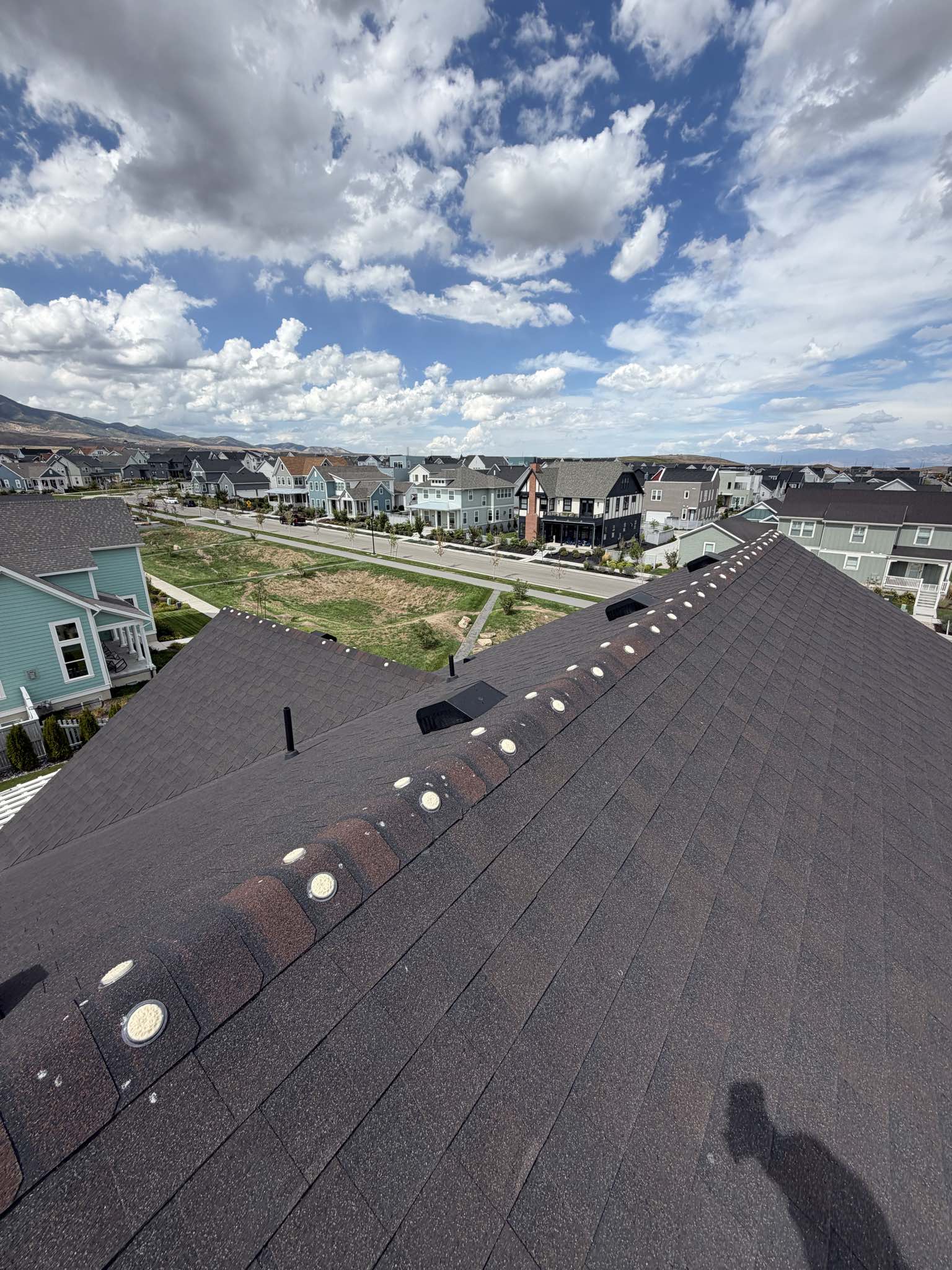
Optical gel is a sticky, translucent substance applied in small dishes or dots directly to ledges, rooflines, eaves, and other surfaces where birds land or roost. It doesn't harm birds. Instead, it exploits a gap between how pigeons and starlings see the world and how we do.
Birds have tetrachromatic vision, meaning they see into the ultraviolet spectrum. To them, optical gel appears as a flickering flame. The texture is also tacky enough that landing on it feels unstable. Combined, those two signals tell the bird the surface is dangerous. They leave without being touched, trapped, or harmed. The product itself contains natural citronella oil, which adds a mild scent deterrent on top of the visual effect.
That combination, UV reflection, physical instability, and scent, makes it genuinely effective on the ledges and parapet walls where pigeons habitually land before committing to a roost. It's not a fix for every surface or every species, but on flat architectural ledges, signage, and low-traffic roofline edges, it performs well, particularly when birds haven't been established there for years.
Where It Fits in a Broader Bird Control Plan
Optical gel is one method. It's not a standalone answer for a serious infestation, and it won't replace netting where birds have already built nests behind a structure. Our bird control service uses gel alongside stainless steel spikes, shock track, and exclusion netting depending on what the inspection shows. The method should match the surface, the species, and how long they've been using the spot.
For properties where pigeons have recently started roosting on a ledge, gel installed correctly can stop the behavior before it becomes a structural or sanitation problem. For a building where birds have been nesting in a soffit gap for two seasons, you need exclusion hardware first, and gel on adjacent surfaces to redirect pressure.
The inspection step isn't optional here. Gel applied to the wrong surface weathers badly, collects debris, and stops working faster than it should. Applied in the right spots on a clean, prepped surface, it holds much longer and doesn't need replacement as often. That's worth paying attention to, because one of the more common complaints about optical gel is that it "stopped working" when the real issue was poor placement or skipped surface prep.
Why Natural Bird Deterrents Appeal to Utah Property Owners
A lot of the calls we get about birds start with a concern about what treatment will involve. Property owners with dogs in the yard, commercial kitchens with air intakes nearby, or buildings close to pollinator gardens have a reasonable interest in solutions that don't involve broadcast chemical application. Optical gel fits that picture cleanly.
There are no pesticides involved. No bait, no poison, no residue that raises questions about runoff into the local water table or contact with beneficial insects. The deterrent effect is entirely physical and sensory. For a homeowner in a neighborhood along the Wasatch foothills, or a facility manager overseeing a rooftop near open space, that distinction matters.
It also tends to reassure people who've heard of or tried cheap over-the-counter repellent sprays and been disappointed. Those products rarely work because they don't address why birds chose the surface in the first place. Gel, when installed properly as part of a full site assessment, addresses the behavior rather than just reacting to the result. You can read more about what drives birds to specific structures in our pigeon pest library.
What a Professional Install Looks Like Versus a DIY Attempt
Optical gel is available in hardware and farm supply stores, and homeowners do try it themselves. The results are inconsistent, and the reasons are usually the same: the surface wasn't cleaned before application, the dishes were placed where pigeons walk rather than where they land first, or the wrong amount was used. Too little and the birds adjust. Too much and the product becomes a debris collector that stops reflecting UV quickly.
Our process starts with a site walk to map exactly where birds are entering a surface and why that spot is attractive. Surfaces are cleaned and dried before anything goes down. Gel dishes are positioned to intercept the landing sequence, not just placed wherever is convenient. That difference in approach is what separates a result that holds for a season from one that looks bad in three months and doesn't deter anything.
If you've been watching pigeons use the same ledge every morning and you're ready to do something about it, request a quote online or give us a call and we'll schedule a site inspection. We serve homeowners and commercial properties across Salt Lake City and the Wasatch Front, and our service area page has the full list of communities we cover.
Request Your Free Estimate
Service often can be scheduled within 24 hours.