Which Bird Control Methods Actually Work in Utah
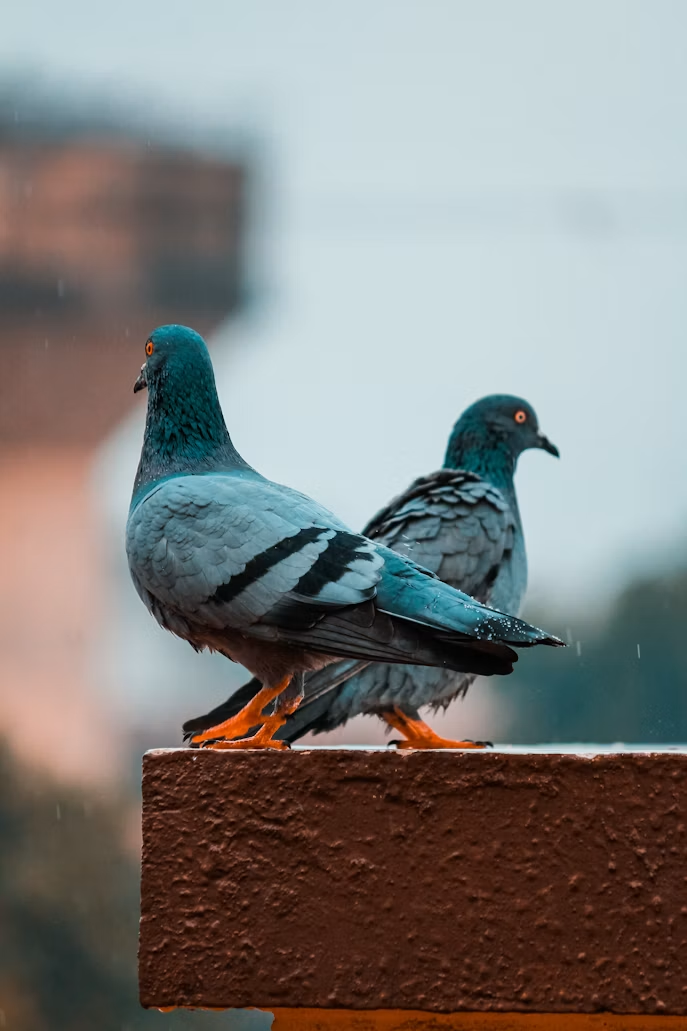
Pigeons on a roofline. Starlings tucked into an HVAC intake. Sparrows nesting behind a sign above a loading dock. Bird problems in Utah look different depending on where the birds are roosting and what species has moved in, and that's exactly why one deterrent method doesn't cover every situation. If you've been looking into bird control methods in Utah, this breakdown covers the four main options, what each one actually does, and how we decide which approach fits a given structure.
Why Bird Deterrents Are Physical, Not Chemical
This is the first thing that surprises homeowners who are used to calling pest control companies for spray-based treatments. Birds aren't controlled with pesticide control service the way ants or cockroaches are. A roach exterminator carries gel baits and residual treatments. A mice exterminator near me search turns up trapping and exclusion. Bird work is different: the solution is always physical, and it has to match the species, the surface, and how long the birds have been using the spot.
Pigeons are creatures of habit. Once a flock establishes a roosting site on a ledge or roofline, they return reliably and the fouling compounds fast. Starlings exploit gaps in soffits and eave vents to nest inside structures. Each species responds to different deterrents, which is why our bird control service always starts with a site inspection rather than showing up with one product and hoping it fits.
The Four Main Bird Control Methods
These are the tools we use across residential and commercial properties on the Wasatch Front. Most jobs combine two or more of them.
Bird netting is the most complete exclusion method available. Properly installed netting physically blocks birds from landing, roosting, or nesting in a defined area, whether that's under a canopy, behind a parapet wall, or over a gap in a roofline. It's the right call when the target area is large or when other deterrents won't hold because birds have already established a strong roosting habit. Netting has to be sized and tensioned correctly, otherwise birds find edges or gaps and the installation fails within a season.
Bird spikes are narrow strips mounted along ledges, parapets, beams, and sign tops. They don't injure birds; they make the surface too uncomfortable to land on. Spikes work well for pigeons on flat ledges but aren't suited for every surface type, particularly curved or irregular edges where gaps in coverage appear. They're also less effective against smaller species like sparrows, which can settle between the tines.
Shock track systems deliver a mild, startling pulse that conditions birds to avoid a surface without harming them. The track is low-profile and nearly invisible from street level, which makes it a good fit for commercial facades or historic properties where aesthetics matter. It handles species that spikes won't, including sparrows and gulls, and works across a wider range of surface shapes. The tradeoff is cost: shock track is more involved to install than spikes.
Exclusion work addresses gaps, vents, and openings where birds enter and nest inside a structure. Starlings and sparrows in particular push into soffits, gable vents, and wall cavities. Sealing those entry points, with hardware cloth, wire mesh, or appropriate vent covers, stops the nesting cycle. Exclusion is often paired with one of the surface deterrents above when both roosting and nesting are happening on the same structure. You can read more about what's involved on our pigeon pest library page.
How We Decide Which Method to Use
The inspection determines everything. We look at the species involved, where exactly the birds are landing versus nesting, what the surface material is, and how long the behavior has been established. A fresh problem is easier to address than one that's been running for two or three seasons, because birds that have successfully nested in a spot will persist against deterrents longer.
For solar panel installations, netting along the panel perimeter is the standard approach, since pigeons commonly nest in the shaded gap beneath panels and the fouling degrades electrical efficiency over time. Commercial properties with loading docks and flat roofs often need a combination of spikes along the perimeter and shock track on horizontal ledges at height. Residential jobs are frequently exclusion-focused, particularly when starlings have gotten into a soffit or attic vent. We're one of the few pest control companies in this market that handles both residential and commercial bird proofing with proper exclusion hardware, rather than referring those jobs out.
This Isn't the Only Pest Problem We Handle
Bird work is a significant part of what we do, but the rest of our services run alongside it. Skunks denning under a deck, rodent activity in a wall, or a cockroach problem showing up in a commercial kitchen all get the same inspection-first approach. If you've got something beyond a bird issue, our home pest control services cover the full range of what Utah homeowners deal with, from spiders and ants to bed bugs and stinging insects. For wildlife specifically, including skunks and raccoons, our wildlife control team handles trapping, removal, and exclusion.
If you're seeing bird activity on your roof, solar panels, or building and want to know what approach fits your specific situation, request a quote online or give us a call and we'll schedule a site visit. We'll tell you exactly what we found, what we'd recommend, and why.
Request Your Free Estimate
Service often can be scheduled within 24 hours.