How To Choose A Termite Exterminator In Salt Lake City
Termites are a silent threat to Salt Lake City homes. They can cause thousands of dollars in structural damage long before a homeowner is even aware of an infestation. When you suspect termites, the urgency to hire an exterminator is high, but choosing the right one is critical. Not all pest control companies are equal in their expertise, methods, or business practices.
This decision will impact your home’s safety and your finances for years to come. You need a partner you can trust. This guide will help you understand what to look for, what to ask, and how to identify a true professional among the many options in the Salt Lake City area.
What Are the Most Common Warning Signs of Termites in Salt Lake City Homes?
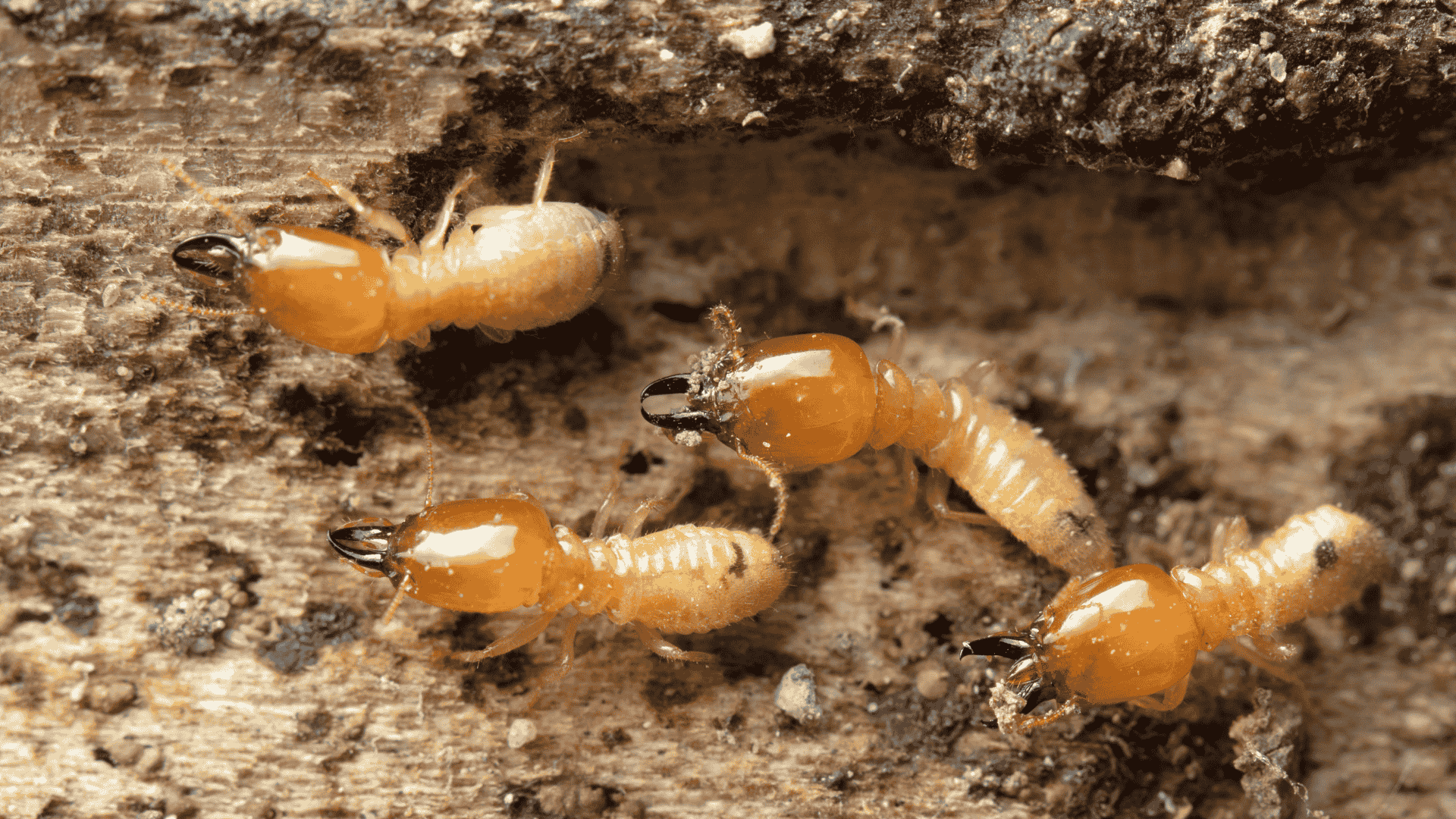
Detecting termites early can save homeowners thousands in repair costs. In Salt Lake City, the most frequently encountered species are subterranean termites, which thrive in the region’s temperate climate. Look for mud tubes running along your foundation or basement walls—these pencil-sized tunnels protect termites from open air and predators while they travel from the soil to your home’s wood structures. Spotting mud tubes is strong evidence of an active colony on your property.
Other telltale signs in our area include piles of discarded wings, which you might find near windows, doors, or on basement sills. These wings are left behind by reproductive termites (swarmers) after they emerge for mating, usually in the spring. Listen closely to changes in your home’s wood—press on beams, floors, or trim, and check for a hollow sound or wood that feels soft and breaks apart easily. Subtle sagging of floors or ceilings can also point to termite activity weakening the structure from within.
Don’t dismiss small piles of debris near walls, either. What looks like sawdust could actually be termite frass (droppings), a clear indicator of an active infestation. Drywall with pinpoint holes, blistered paint, or doors and windows suddenly sticking can all be subtle signals, too. These signs frequently go unnoticed in Salt Lake City’s dry climate, so regular inspection and early vigilance provide the best defense against extensive damage.
Step 1: Verify Utah Licensing and Credentials
This is the most important first step. A company’s credentials are a direct reflection of its expertise and legitimacy.
- Check Utah State Licensing: In Utah, pest control applicators must be licensed by the Utah Department of Agriculture and Food (UDAF). This ensures the technician has passed exams and is qualified to handle professional-grade materials safely. Do not hesitate to ask for their license number.
- Look for Industry Associations: Membership in organizations like the National Pest Management Association (NPMA) or an A+ rating from the Better Business Bureau (BBB) shows a company is established, accountable, and committed to industry standards.
- Read Reviews: Look for companies with a long history of positive, local reviews. While any company can have a few bad reviews, a pattern of 1,000+ 5-star reviews shows a long-term commitment to customer satisfaction.
Step 2: Ask About Treatment Methods and Materials
There are two primary methods for treating subterranean termites (the most common type in Utah): liquid barrier treatments and baiting systems. A true expert should be able to explain why one is better for your specific situation.
Ask About the Active Ingredient: For liquid barrier treatments, ask what chemical they use. Industry-leading products like Termidor (Fipronil) are known for their effectiveness. A company that cannot name its products or uses vague terms is a red flag.
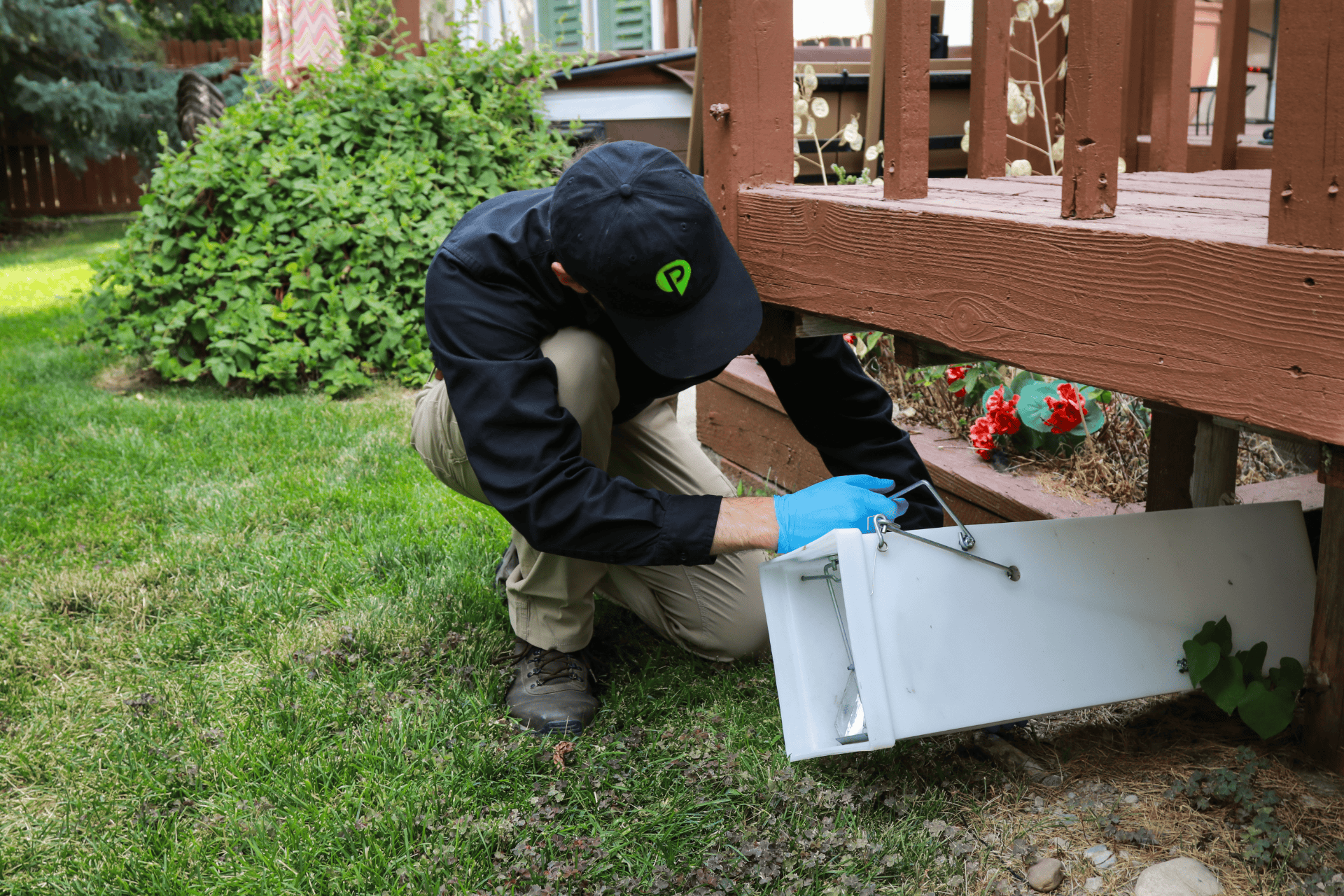
Understand the Process: Will they be trenching around your foundation? Will they need to drill small holes in concrete patios or garage floors to treat the soil underneath? A professional will provide a clear, detailed plan of action.
Step 3: Understand the Inspection and the Warranty
The inspection and the contract are just as important as the treatment itself.
- The Inspection: A thorough termite inspection should take time. The inspector should check your foundation, crawl space, basement, and other high-risk areas. Be wary of anyone who does a 10-minute walk-around and gives you a high-pressure sales pitch. Look for a company that offers a 100% free estimate without obligation.
- The Warranty: This is crucial. A termite treatment should always come with a warranty. Ask these specific questions:
- How long does the warranty last?
- Is it renewable annually? If so, what is the annual fee?
- Does the warranty cover re-treatment if termites return?
- Does the warranty cover damage repair from a new infestation? (This is often a separate, higher-tier plan.)
How Do Customer Reviews, Awards, & Affiliations Help You Choose?
Third-party feedback is crucial when choosing a termite exterminator in Salt Lake City. Positive Google reviews, Better Business Bureau ratings, and awards like “Best of SLC” offer more than just bragging rights—they serve as independent proof of satisfied customers and reliable service. When reading online reviews, look for trends in customer experiences: are clients consistently praising the team’s communication, punctuality, and thorough explanations? These themes suggest a provider who values long-term relationships over quick fixes.
Local awards provide important context. Recognition from community panels or trade groups indicates that a business goes above and beyond standard service—listening to residents, adapting their services based on actual performance, and contributing to neighborhood safety. In pest control, local knowledge and trust are as critical as technical ability.
Don’t overlook industry affiliations. Membership in the National Pest Management Association (NPMA) and an A+ BBB rating demonstrate a commitment to ethical business practices and ongoing professional development. These connections keep teams informed and accountable. Evaluating a company on these factors offers peace of mind that extends well beyond the initial treatment.
Where Can You Find Reliable Termite Exterminator Recommendations in Salt Lake City?
Search for licensed termite exterminators using the Utah Department of Agriculture & Food database, which lists authorized providers in real time. Check online review platforms like Google and the Better Business Bureau for honest client feedback, and pay extra attention to complaint resolution history.
Community-based forums—such as local neighborhood groups, Nextdoor, or Facebook—provide anecdotal insights into providers’ reliability and performance in real-world settings. If you belong to a homeowners’ association or property management group, ask for recommendations specific to your type of property.
As a family-operated business with deep roots in Salt Lake City, Pest Pro Pest Control prioritizes transparency, safety, and long-term client relationships. If you’re ready for a thorough evaluation or simply want answers to your termite questions, give us a call at (385) 314-4973. Our team is ready to guide you toward a solution that safeguards your property for years to come.
Request Your Free Estimate
Service often can be scheduled within 24 hours.